Farming

Jumbo Shrimp … and no, that’s not an oxymoron.

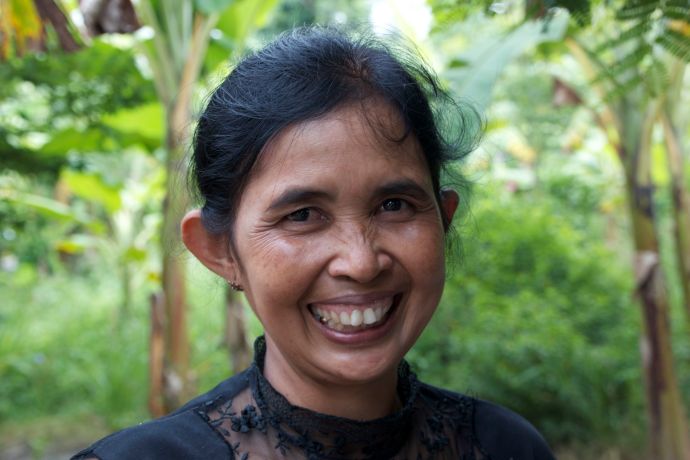
 Duang Thi Anh Tuyet is a tiny slip of a woman—beautiful like a butterfly but in constant motion like a bumblebee.

The mother of two boys she has severe stomach problems and can’t work, but like most moms “not working” in developing countries, (or developed ones, for that matter) she does more before breakfast than most folks do all day.

Mrs. Tuyet at the edge of her shrimp pond.

Tuyet is part of a Self-Help Group that Heifer started in 2008 in her small village of Duc Tan in the Mekong Delta … and she’s made the very most of every opportunity presented to her. She got her first cow four years ago, and in record time had her first calf, passed it on to another needy family, then had another female calf.
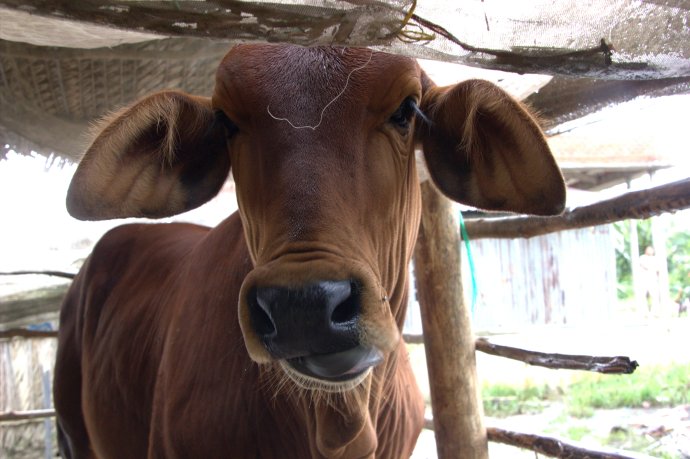
Tuyet’s very photogenic (and curious) calf.

With the $100 in revolving loans that Heifer offers each family, she then bought 7 Muscovy ducks, 20 chickens, and a sow that is about a week away from having her third litter (and the piglets sell for $50/each). She repaid that loan, too.

An embarrassment of riches: the third litter is due in 10 days!

Not content with all that fecundity, Tuyet and her husband (who works in a rice-polishing factory for $4 – $6/day), dug a pond on their single acre of land and bought 50,000 black tiger shrimp larvae to raise in the dry season, when the salt water rises up from the sea through the Mekong River and floods their pond. The shrimp will feed for four months on plankton left behind by their saline-resistant rice crop, get bulked up for a few weeks with commercial feed, and then sell for about $3,300 – or $400 net profit.

Checking the size of her Black Tiger shrimp.
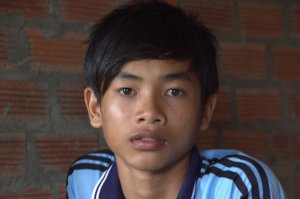
Tuyet’s beautiful 17-year old son.

With all the work she does with her animals, don’t think for a minute Tuyet is overlooking her sons. Her 17-year old is looking at universities and her 6th grader is tops in his class and earning a full scholarship – despite the fact that the family’s thatched roof house collapsed a year ago, and was only rebuilt to its current concrete sturdiness with a hand from Heifer’s Self-Help Group and its friends in government agencies.

Unfortunately, in Duc Tan, the majority of Heifer beneficiaries who got cows have sold them for easier-to-raise pigs and chickens (a faster way of earning income but subject to greater price fluctuations in the market, and diseases) but Tuyet wisely hedged her bets and raises all the above: cows, pigs, chickens and shrimp.

The final product … yummmm!

When I asked her group leader, Nguyen Van Hong, what Tuyet was doing that made her so successful with all her animals, he said, “Tuyet works very hard, harder than others. She takes care of her animals very well and knows exactly what they eat and what they need – from the good food she raises, to the vaccines she gives at the right time. She’s very precise.”
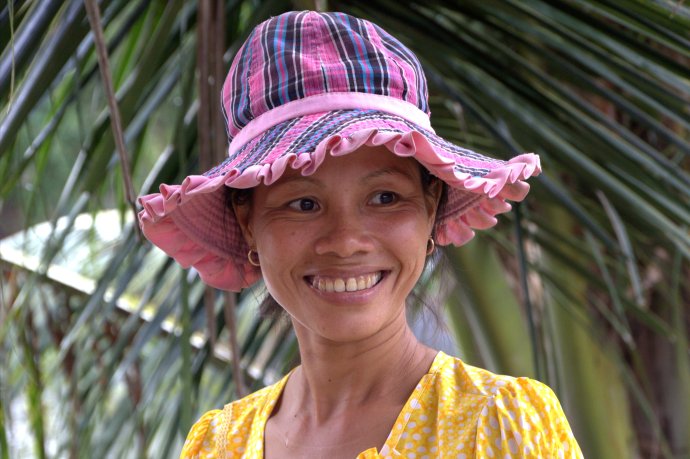
One precisely beautiful farmer

When I asked Tuyet the secret to her success, she replied, “I believe that if you try really hard, have good trainings, and are motivated, you can pull yourself out of poverty. That’s my goal.”

Tuyet is small… but she is mighty. I hope all her big dreams come true.

Categories: Animals, Farming, Heifer International, Inspiration, Photography, Travel, Vietnam, Women | Tags: , , , , , , , , , , | 27 Comments

Ducking the big issues.

On my first day in Cambodia, we traveled to Battambang Province (loved saying that word) in the northwest region of the country. Except for the low bottom land that was almost entirely under water, everything in Battambang was high: poverty, illiteracy, HIV/AIDS, domestic violence, child malnutrition – as well as somehow, miraculously, the spirits of the women in Roka Village.

Heifer started a project here in October, 2009 with 9 self-help groups for women, and these ladies got right down to business. In a mere two years, they received 175 pigs, 1503 poultry, 5100 fingerling fish and 710 trees. They formed a project management committee and began saving funds ($5,641 to date.) And they inspired 8 more Self Help Groups to form in the community, passed on two generations of animals to other women, and increased women’s average income from 7000 R/day (less than $2) to 12,000 (that’s a whopping 70% bump).

2 chubby Roka pigs, waiting to be Passed On to another needy family.

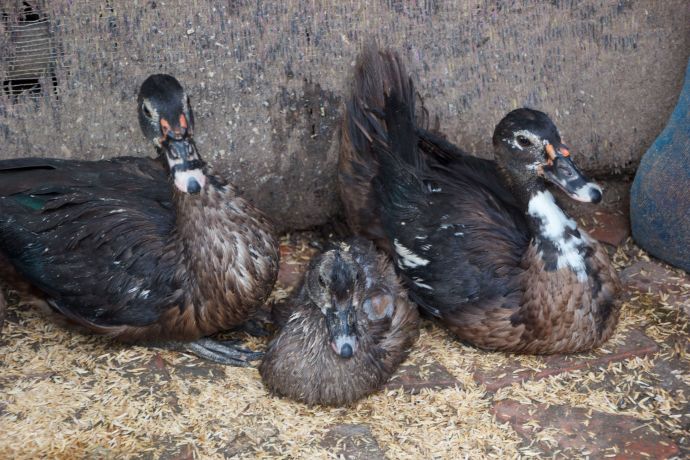
Along the way, Heifer’s Roka project gave women like Chou Sarom a whole new lease on life – and that’s not mere quackery. In the neat house she shares with another family, in the shadow of a pagoda, Chou and her husband and four children (ages 24, 22, 21 and 10) have become duck raisers extraordinaire. Two years ago, Chou joined the group and received 12 ducks from a Self Help Group in another village. She’d never raised ducks (it’s more of a Vietnamese custom) but was determined to learn.

“I wanted to develop myself and become more independent,” Chou says, “so I went to all the trainings with our Community Animal Health Worker – and brought my whole family with me. “(Heifer trains four CAHW, one from each village to teach animal husbandry to the participants.)

Chou and her children quickly learned the tricks of the duck trade: how to bring males and females quickly together–then separate them for optimal egg-laying. How to make a nice clean nest with rice husks. What ducks love to eat.. banana skins and rice bran. And how to keep the ducks nice, fat and clean, as Chou put it.

“I’m so happy that my ducks are really healthy, I sometimes just stand there and admire them,” Chou laughs. “My young son doesn’t even want to sell our ducks, they’re so cute – and if somebody buys them and doesn’t take care of them, he’ll go to their houses and tell them how to take better care of them.”

From her original gift of 12 ducks, Chou has passed on 12, sold thousands of eggs, and raised hundreds of ducks, chickens and guinea fowl – which she’s delighted to report lay 40 eggs after mating. The ducklings can be raised as fattening ducks (a 4-kilo male will bring $2.50) or the eggs can be sold for about 12 cents each, and Chou sells almost 200 eggs a month. (“I make income almost every day!” she says proudly.) Her husband, who also helps raise the ducks, wants to expand the business so right now they are building a bigger home for their duck brood.

Chou and her brood.

To say Chou is happy and proud of her capabilities is a serious understatement. She’s taken all the trainings to heart, and loves to talk about her achievements, tugging us into her home garden to admire her organic produce and fruit trees (she’s done a market analysis and is planting the most desirable mango), telling us that her son has followed her saving example and learned to save from the small allowance she’s given him – but he saves twice as much as she suggested so his nest egg has really grown. And most importantly, how hopeful she is for the future.

“I used to worry that there was no future here – but now I have one child who has finished university, I know I can make money, and I see all the neighbors working together.”

I saw that, too.

It looks small but it feels huge!

As we were leaving Roka, we stopped at the new women’s cooperative that the Self-Help Groups have built with their own savings. Here, members can buy seeds and fertilizer at far lower prices, aggregate their buying/selling power, and practice solidarity with other women farmers. The women were building the whole structure themselves but still had to raise $100 to finish the concrete floor. KK, Heifer’s country director, and I donated $50 – and their joy was so great, you would have thought we’d given a million.

The beautiful face of determination: lovely Son Sinath of the Roka Agricultural Women’s Cooperative.*

If you could have seen the enthusiasm, hope and triumph on their faces as we drove away, it was almost as if we had.

* You can read more about Son Sinath’s inspiring story by clicking here.

Categories: Animals, Cambodia, Farming, Food, Heifer International, Inspiration, Photography, Poverty, Travel, Women | Tags: , , , , , , , , , , , | 29 Comments

Out to Pasture.

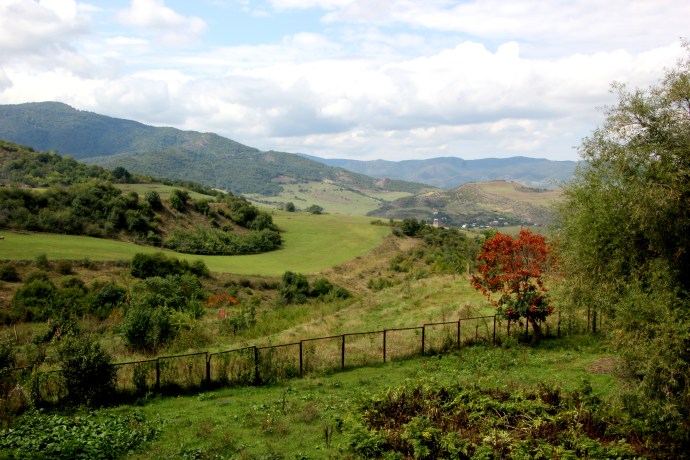
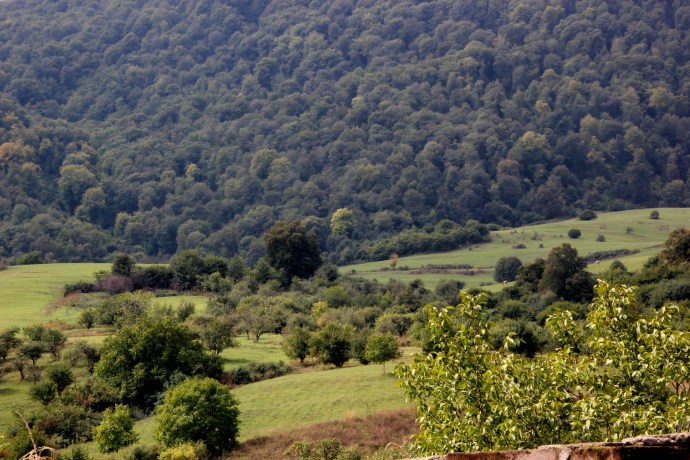
Traveling northeast out of Yerevan to lovely Tsaghkavan, you go first through the arid high mountains, then enter a tunnel and blast out the other side into an entirely different terrain – green, lush, wooded and cool. This is the “Little Switzerland” of Armenia: verdant forests of oak and beech and lush high pastures, where some of Heifer’s most important work is being done.

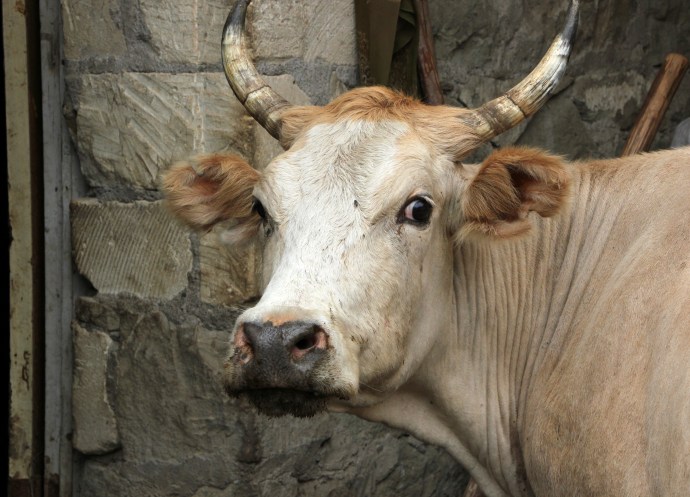
Remember the premise guiding Heifer’s new strategy? If you can double the productivity of the 650 million smallholder farmers around the world, they will feed themselves… and feed the world. Well, to double the productivity of Armenia’s farmers you need more cows. More healthy, fat cows. And cows like that come from a land with plentiful, fertile pastures.

The reality is, there are plenty of communal pastures in northeastern Armenia – they’re just inaccessible, overused or underused, and chronically mismanaged. So last year, Heifer teamed up with the World Bank and Armenia’s Ministry of Agriculture to start CARMAC (Community Agricultural Resource Management and Competitiveness Project) –and yes, these folks love acronyms as much as we do. CARMAC is a five-year, $23.3 million project that is designed to improve the lives of 24,000 people in 55 mountainous communities by increasing milk production by 17 million gallons/year and increasing meat production by 15 million pounds.

That math would really get Bill Clinton’s heart racing – but what it comes down to is giving rural communities like Tsaghkavan the tools, technology and training so the people can make the most of their animals and land assets and create a sustainable economy.

That’s what we’re talking about.

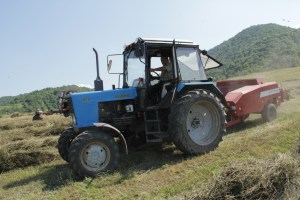
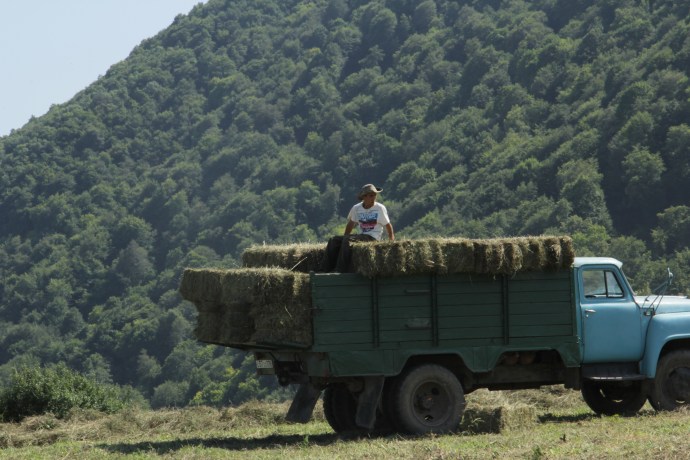
Each farmer needs about 120 bales of hay to feed each cow through the winter in barley, legumes and hay. In other words, they need productive pastures. Problem is, nobody’s paid much attention to the condition of the pastures, so in Tsaghkavan, the 80-hectare close ones are overused and unproductive, and the 570-hectare remote ones lack electricity, water and are impossible to get to. With CARMAC, each town works to build roads, shelters and watering points so the herders, animals and farm equipment can get to the rich, remote pastures. Trained vets and 10 new regional Ag Support offices improve animal health, provide artificial insemination, donate seeds and tractors and impart modern methods to grow better fodder, and loan coolers and cold storage to each village, so dairy products can be kept safe and fresh. It’s a soup-to-nuts approach and Heifer will provide links with large dairy processors and producers to support the marketing value chain – so all the extra milk being produced can get to market and be sold for a profit.

Tsaghkavan means City of Flowers….soon to be City of Dairy!

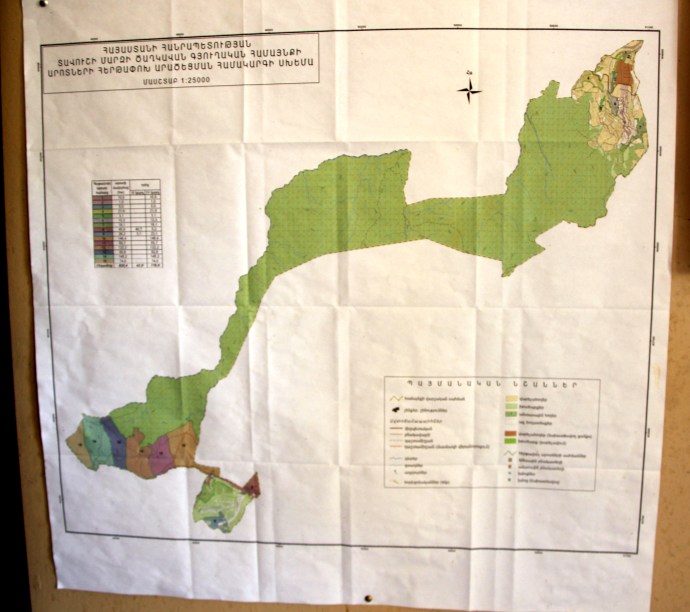
It’s a big, bold plan and it’s already is changing the way these towns work—where everything used to be done by hand, man by man. Now the farmers cooperatively employ technology, internet access, and mobile messaging to farm more efficiently. I must be evolving into a true Heifer geek because when I saw the Pasture Management Assessment maps, I was so excited I took about 15 photos of them.

It’s a beautiful, scientific thing …

I love when Heifer thinks big – and this plan is huge, complex and multi-faceted. I love that CARMAC moves far beyond giving a heifer – to planning how the communities can work together to develop a viable dairy business and charge up the economy of the whole region. And I love that it involves sustainably using the land so the pastures will be fertile and productive for years to come, without the use of toxins and pesticides.

Forever and ever …

If that makes me a geek (and I know it does), I’m happy to wear the pocket protector. Bring it!

Categories: Armenia, Farming, Food, Heifer International, Photography, Travel | Tags: , , , , , , | 15 Comments

What I Ate in Armenia.

If you want to know what it feels like to be a goose on its way to becoming fois gras, I can’t think of any better place to go than Armenia. Right now, I am so stuffed full of great food, I feel like I should be spread on some dark rye bread and downed with a nice reisling … but let’s let the photos do the talking.

Actually, it’s impossible to feel bad about how much you’re eating in Armenia, because the food is so deliciously fresh and unadulterated….and because every Armenian is going to tell you with earnest conviction that whatever you’re eating is “really good for your heart,” no matter what you’re shoving in your face.

It’s ALL good for you …

“Eating local” is an understatement here. Everything you’re imbibing is probably five minutes out of the garden or orchard or barn, and you’re literally going to break somebody’s heart if you don’t accept a third helping. And why would you want to do that? You’ll probably never eat this good again.

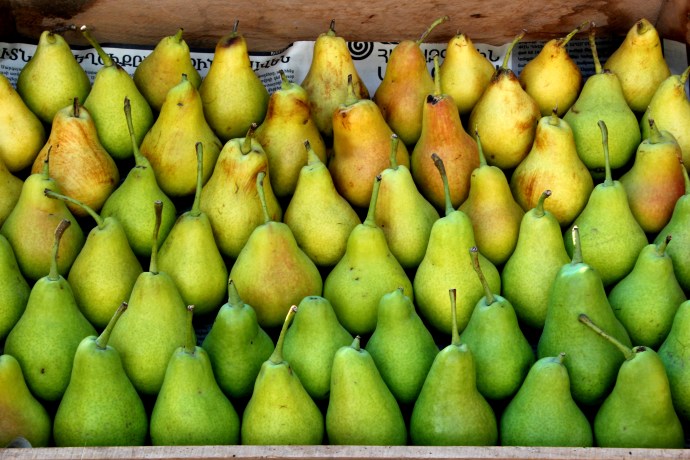
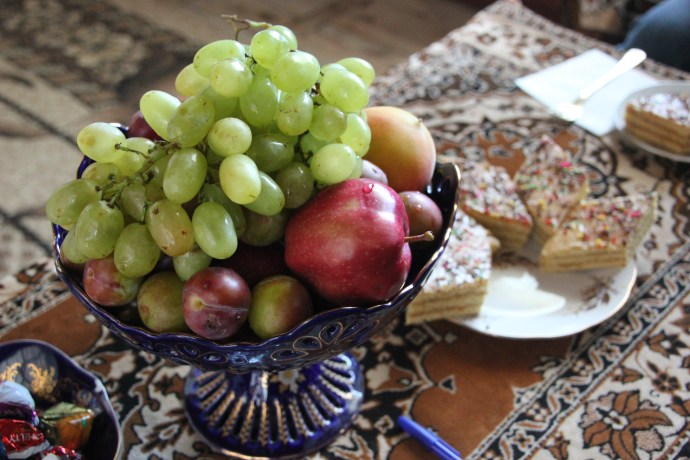
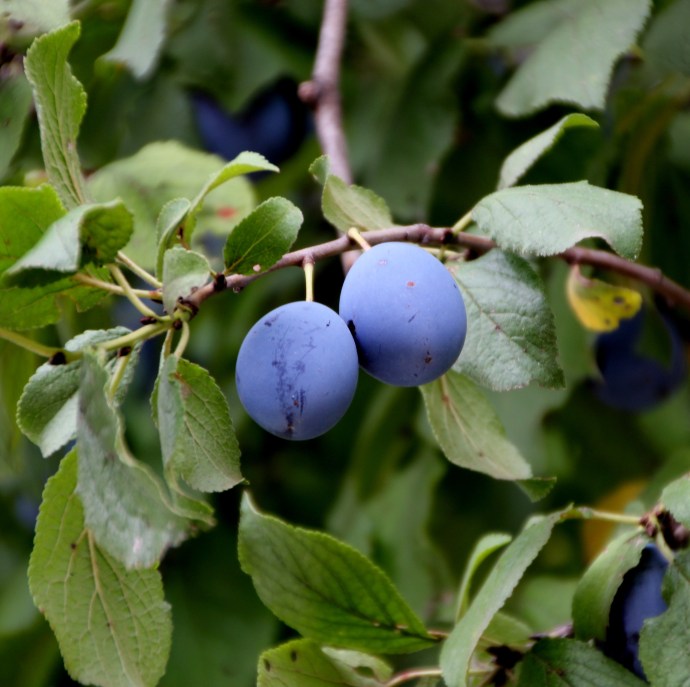
I could (usually) resist the cakes and sweets – but only because I was taking in about 45 pounds of fructose a day in the form of a glorious cornucopia of peaches, plums, apples, grapes, figs, melon, pomegranates and dried fruits of every sort.

See what I mean?

Unfortunately, apricots were not in season– which caused terrific sorrow in my hosts as the superiority of Armenian apricots is a matter of national pride here. (They wouldn’t even let me take photos of the substandard remainders of the harvest.)

(Lackluster apricots have been removed from this photo.)

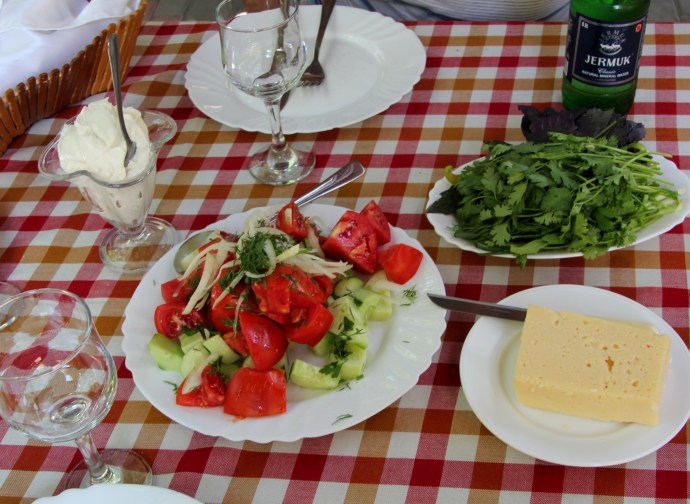
Dairy also figures prominently in every meal and is lusciously fresh and  homemade– whether it’s butter, cheese, regular yogurt or squeezed yogurt (hugged yogurt, I liked to call it), which looks exactly like a big heaping helping of sour cream and tastes amazing, even if my lactose intolerance caused me to skirt that bowl every time.

Fresh hugged yogurt is on the left, in the parfait glass!

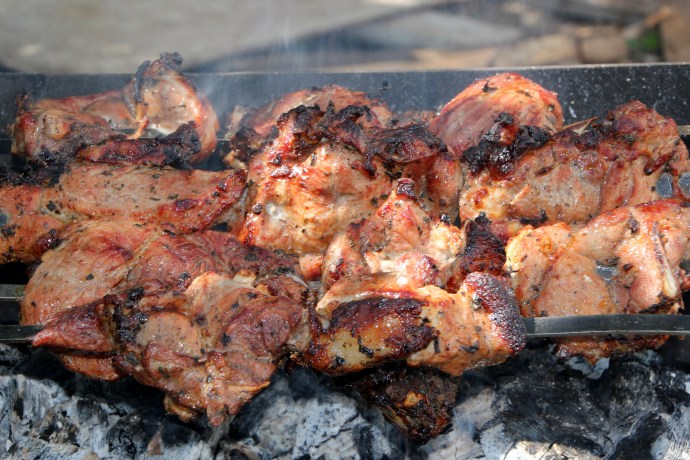
I can’t leave off talking about food without discussing Armenia’s legendary, proprietary barbecue – which is nothing like the slathered, ketchupy sides of beef you see in the American South. Instead, the meat is marinated in a lot of fresh herbs, plopped on a firewood grill and grilled to perfection, which makes it (you guessed it)… really good for your heart!

Oriental coffee is thick as syrup and will be served to you (whether you’re overcaffeinated or not) every place you stop, with a big heaping bowl of fruit and some version of cake. But when the Armenians get down to it, meal-wise, they’re going to be serving lahvosh (watching them make it is amazing!)

And cheese. And tomatoes, cucumbers, peppers and pickles. And meat or fish with a generous handful of purple basil, dill, oregano and cilantro to sprinkle on top. And potatoes. And cabbage slaw. And olives.

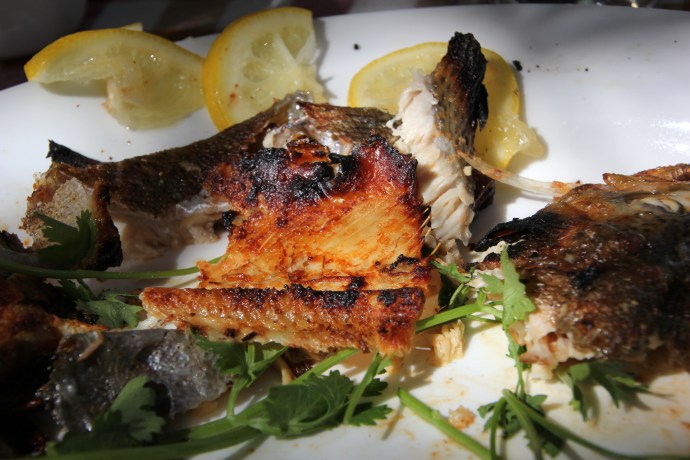
Trout fresh from the river next door — the last bite!

Armenians love food… they love to grow it (every house has a grapevine draped over the entrance and at least a few fruit trees surrounding the terrace)… they love to cook it and they love to eat it, surrounded by friends and family. Perhaps it has to do with the terrible starvation and privation Armenians suffered during the genocide of 1915, but the one thing I can tell you for sure – this culture is all about food. And Heifer is all about helping them to grow and raise more of it. (And I’ll all about deeply, profoundly appreciating it.)

As they say in Armenia, “Anushlini!” – Let anything you eat be sweet to you!

Categories: Armenia, Farming, Food, Heifer International, Photography, Travel | Tags: , , , , , , , , , , | 28 Comments

A country with a past. And a future.

Rwandan boy popping in front of a genocide mass grave in Kigungo, Eastern Province.

It’s hard to know where to begin writing about Rwanda, and after a mere ten days there, terribly presumptuous. But since I’m not getting paid to do this, I’ll give it my best shot. Rwanda is a beautiful country that’s best known for the apocalypse of its genocide in 1994 and the nation is still defined by it. To survive, Rwanda has had to simultaneously remember and honor that past and move beyond it… in a country where people who murdered 800,000 of their friends and neighbors still live alongside the victims’ families and survivors.

That’s an almost inconceivable situation. On every level, you have to respect these people who have somehow managed to not only hold their country together for the past 18 years, but avoid another war and move forward.

Can you find Rwanda?

Rwanda is small (about the size of Maryland) and it’s home to a lot of people—over 11 million who have cultivated almost every square inch of it. The country is predominantly rural, with 90% of working Rwandans farming plots that average only about an acre, they have big families, and competition for land can certainly be seen as one cause of the genocide.

One bewildering fact is that, unlike many African nations, Rwandans are a unified people: they speak one language (Kinyarwanda), are from just one ethnic and linguistic group, the Banyarwanda and are overwhelmingly Christian. The country is remarkably clean (once a month they have a clean-up day — my kind of place!!), the government of President Kagame is largely free of corruption, and despite the poverty, you get a definite feeling of progress and forward momentum.

Children carrying 20-liter jerricans of water back up to their village.

The 2 million refugees who fled the genocide are mostly back home. Infant mortality rates have dropped by a third, literacy has increased to 71% of the population, and access to safe drinking water has doubled in just 3 years. The people are incredibly hard-working and industrious, yet when I asked my daughter Lulu who came with me on this trip what she thought of Rwandans, she mulled it over and replied, “They seem happy. Happier than Americans.”

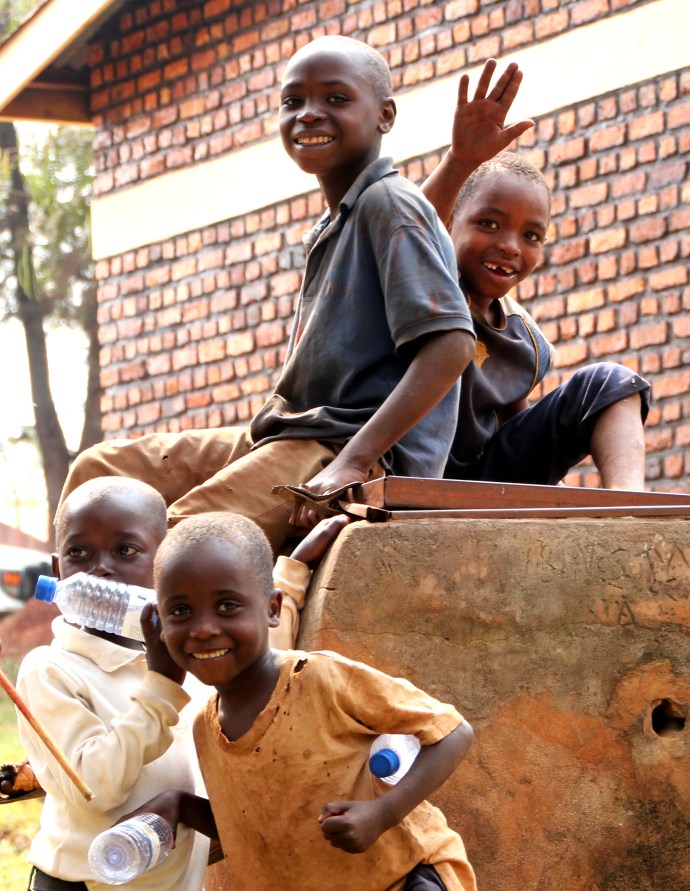
Village boys thrilled with our empty plastic water bottles: a big treat for taking to school.

Despite an initial wariness that you often feel up close, it’s hard not to like people who literally run out of their homes to wave at you.

And it’s hard not to cheer for people who are working so hard to make their way back from catastrophe. Here’s hoping they keep on rising.

Categories: Africa, Farming, Photography, Rwanda, Travel | Tags: , , , , , , , , , | 30 Comments

Blog at WordPress.com.