Monthly Archives: December 2012

Bienvenidos, Ecuador!!

sweet girlsIn the spirit of full disclosure, I have to admit I’ve already been to Ecuador, my finale country in this year of travel for Heifer. But because with 12 x 12 I’m going to places nobody ever goes (the farms in poor, remote valleys and small fishing villages in risky ports on the coast), I’m actually seeing every country for the very first time– whether I’ve been there before or not.working fields

Ecuador is an awe-inspiring country in a whole bunch of ways. Although it’s rather small by South American standards, it’s one of 17 countries that biologists like to call “mega-diverse” (and how much do you love that phrase?)

The gigante petrino tree -- cousin to the mighty ceiba!

The gigante petrino tree — cousin to the mighty ceiba!

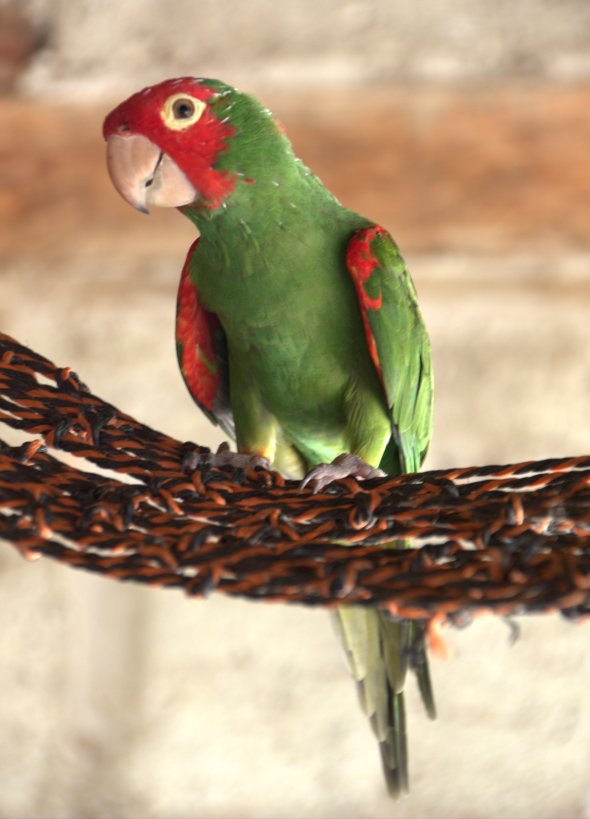
In fact, it’s got the most biodiversity per square mile of any country on earth – including these parrots.parrot

Ecuador is on the equator (duhhh!) but because it’s in the Andes and has the world’s highest active volcanoes (Cotopaxi is rumored to be due for a new blow-out), it’s not really sweaty-hot tropical. Cotapaxi

But it is one of the biggest producers of tropical crops – specifically shrimp, cocoa, sugar cane, coffee, and yes, bananas.banana plantation

Ecuador has a handsome, youngish President Rafael Correa who is progressive in the mold of Latin America’s dynamic new crop of politicians who are bringing courage, cajones and change to their people…. and that gives me cause for great optimism, despite the challenges of poverty and hunger in the rural provinces.girl in hammock

Quito, a beautiful colonial city that I remember as being rather run-down, is now hip, urbane and downright glossy.city on a hill

It’s amazing to come back 15 years later and see so much changed. However, the real glory of Ecuador, to my mind, is the charm of its people – particularly the indigenous people who live in La Sierra (as opposed to La Costa or La Amazonia)… although in truth, all Ecuadorians are pretty irresistible.blue & magenta

I’ve got such stories to tell about what I saw (and ate)! Stay tuned ..

Categories: Ecuador, Environment, Heifer International, Photography, Poverty, Travel | Tags: , , , , , , , , , , , , | 9 Comments

It’s My Blog’s Day!

Last October, I proposed to Heifer International that I visit 12 countries in 12 months in 2012 to visit their projects around the world…. and they said yes!

Heifer 12 x 12 was born in January 2012, and today— 12/12/12 — I’m celebrating this journey of discovery & inspiration that is almost coming to an end. Thanks for coming along on this wild, joyful ride!!

Categories: Appalachia, Armenia, Cambodia, Cameroon, China, Ecuador, Guatemala, Haiti, Heifer International, Malawi, Nepal, Peru, Photography, Romania, Rwanda, Travel, Vietnam | Tags: , , , | 59 Comments

What I cooked in Malawi!

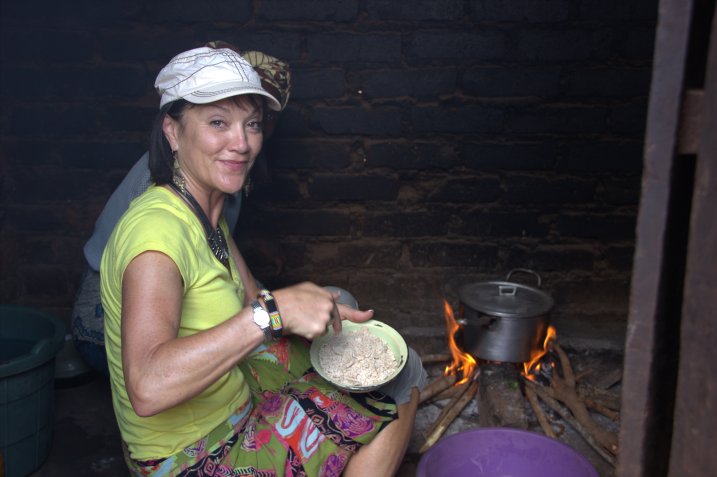
tastingMy hands-down favorite day in Malawi – and one I will never forget — is the day we visited Chimuti village in Mchinji District and the women dragged me into the “kitchen” to cook the national dish of nsima, a white, corn-powder concoction that looks like grits-on-steroids and tastes blandly divine.

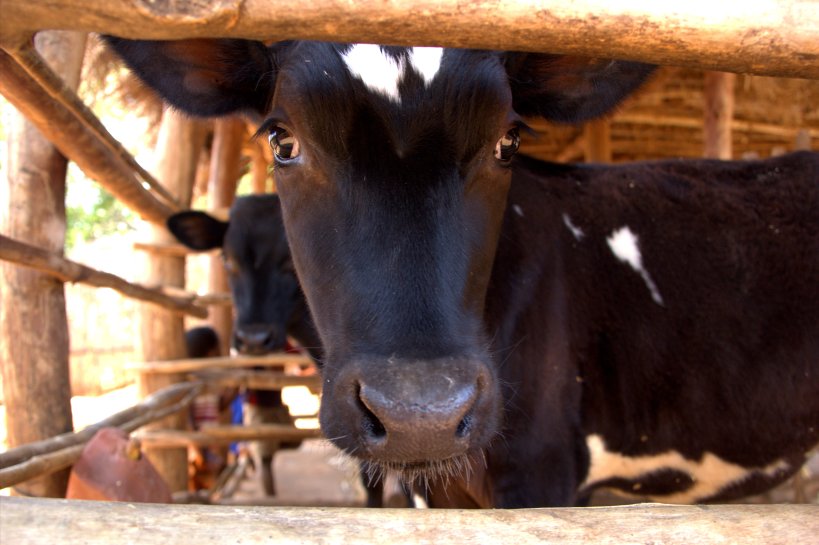
Chimuti lies right near the border of Malawi and Zambia, and it’s a town so full of dazzling women and healthy cows, it’s like the poster child of what Heifer can accomplish.mom, baby & heifer

Before 2011, nobody in Chimuti raised dairy cows, but once they witnessed the prosperity brought about by cows in a neighboring town, they were all in.heifer

As we strode up to the house of Sophia Chimala, the women all began to clap and sing, and we saw her original heifer Shine, and the twins Shine had given birth to (after her first offspring was passed along to another needy family).sophia & heifer

Sophia is 45, beautiful, and spunky as all get-out. It was she who led me into the smoke-filled kitchen (that had me crying my eyes out after a minute or two) and told me to get to work with my two sous-chefs, Miss C & Miss P.

Miss C & Miss P - they're shy but powerful (in their Heifer wraps)

Miss C & Miss P – they’re shy but powerful (in their Heifer wraps)

And so I did get right down to work.

Me and Miss C, getting our cooking on...

Me and Miss C, getting our cooking on… (all photos of me taken by the fabulous Patti Ross)

Here’s what we made.

First, the beautiful vegetable dish:stirring vegs

Cut up leaves of the bean plant. Cook for ten minutes with some salted water in the pot. Add 3 cut-up tomatoes. Add ¾ of a dish of pounding nutsground peanuts (pounding them by hand and then sifting through basket weave requires a whole set of skills that I don’t possess – but my attempts sure amused everyone.) Cook the vegetables and nuts another minute and salt to taste. Don’t make Miss P. roll her eyes by requesting a hot pad to pick up the scalding pot cover … they never use them but somehow don’t get burned.

For Nsima:

Bring 3-4 cups of water almost to a boil. Sift in corn flour. Stir.

Me wimpily stirring...

Me wimpily stirring my nsima (with a lot of oversight)…

If lumpy, make a roux of water and flour in separate bowl and add back to the mix. Add about 5 cups of the corn flour. Stir very, very, very vigorously with a paddle – up and down, over and under, until you’re about ready to drop. Don’t mind if Miss C strongly urges you to stir a lot harder.

How it's really done by a pro...

A professional shows how it’s really done…

When it’s thickened, using a special spoon, dip in water then ladle out a mango-sized scoop of the mix, and plop it onto the plate, then dip the ladle in water again and use the back to carefully smooth the top into a big egg-like mound. Don’t forget to dip in water between every scoop or you will make Miss P very unhappy. Arrange the identical mounds of nsima carefully and make the plate look pretty.

making nsima

Wash all the dishes you will be using (and don’t forget to rinse thoroughly).  Clean pots with a bamboo branch and pretend you are not vastly entertaining every village child in sight.washing up

Serve the women and children outside, and serve the men inside. (And keep your mouth shut about that arrangement.) Be grateful that the children pretend that this is the best nsima they have ever eaten. my nsima!

Pretend you also fixed the fall-off-the-bone tender, mouth-watering chicken that Misses C & P made this morning.chicken

Stanch the river of tears still pouring out of your eyes from the kitchen fire smoke.tears

Eat one of the best meals of your life…lunch

…with some amazing, beautiful women (who were allowed to eat indoors), including the lovely Miss Sophia….  sophia1

…and Heifer’s project manager, aptly named Grace, who after lunch took us to visit some more beautiful cows and farmers in the village.

Heifer's Grace, walking through Mchinji village.

Heifer’s Grace Gopani Phiri, walking through Chimuti village.

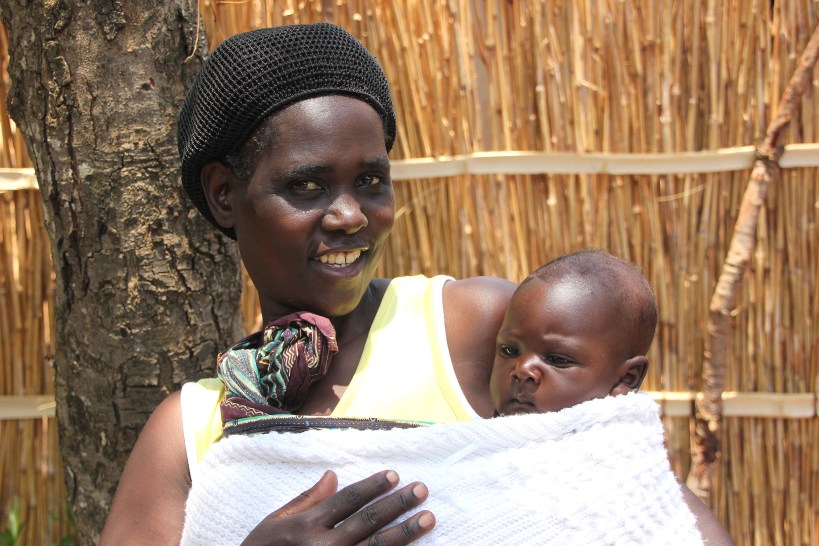
See new tin roofs going up, cement floors being poured, healthy children, and the prosperity that these big Friesian heifers from Heifer have brought to Mchinji. mom & baby

Then visit Heifer’s BUA milk collection center that will allow 200 families from multiple villages to aggregate their milk and sell it commercially — a whole new income stream!collecting milk

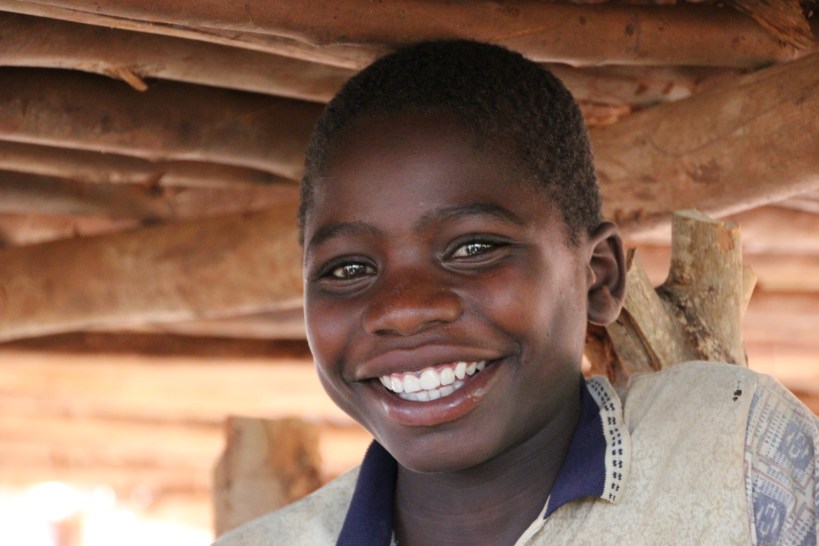
Finally, thank God (and Heifer’s Victor Mhango, who master-minded my cooking initiation) for this amazing Mchinji day!! Farewell, beautiful Malawi …..girls2smiling boyheifer w girlsbaby heifersophia & hubbyFrangipani

Categories: Animals, Food, Heifer International, Hunger, Inspiration, Malawi, Photography, Travel, Women | Tags: , , , , , , , , , , | 30 Comments

A good/bad day in Malawi.

cropped shedMost days on the road with Heifer are really good days. And some are just hard.

The last day we spent visiting projects in Malawi was a hard one – not because of what we did but because of what we saw. We were visiting the Khongoni project near Lilongwe that supports people with HIV/AIDS by providing them with training, trees, seeds, and milk-producing goats. I expected the towns close to the capital city to be more affluent, but in fact they were some of the poorest communities in this very poor country.hardwell & wife

Our first visit was with Hardwell Chidesmbo –a HIV-positive father of 16 (yeah, that’s right) whose first wife died of AIDS, leaving behind 8 children. With his second wife (also HIV-positive) he has had another 8. That boggled my mind but far worse, the children were dirty, frantic and hanger-thin. The entire household seemed teetering on the verge of neglect and one little lamb had a broken leg. One of Hardwell’s daughters was disabled and another had died, leaving behind an infant daughter who was also HIV positive. The situation seemed more than any mere livestock could improve.

How much can 2 goats do?

These two goats from Heifer will bring much-needed nutrition and income for Hardwell’s family.

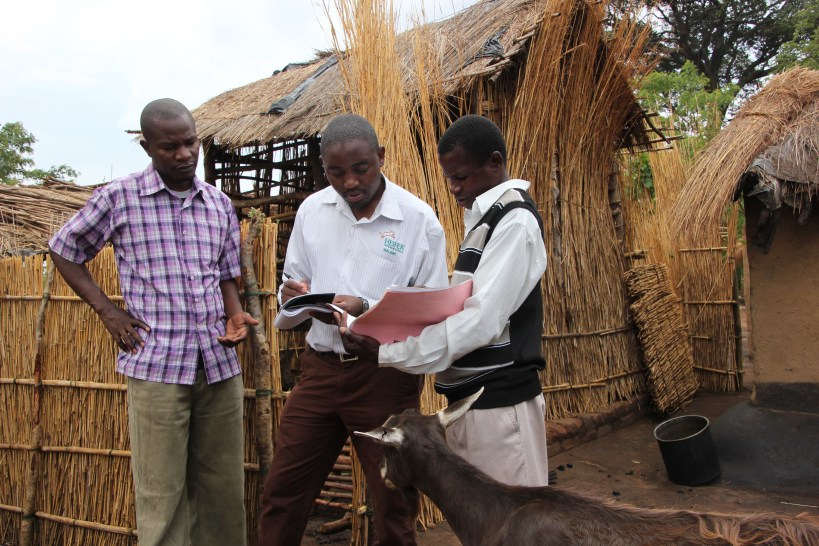
And yet, Ginison Moliyere, the local Community Animal Health Worker that Heifer has trained to provide animal services, was not feeling discouraged. He told me that Hardwell’s family had only just received the goats so he felt there was plenty of time for them to progress and improve their situation. Ginison had come to splint the lamb’s leg after it tumbled out of its new shed and it’s now healing well.

Ginison Moliyere, Heifer's intrepid CAHW.

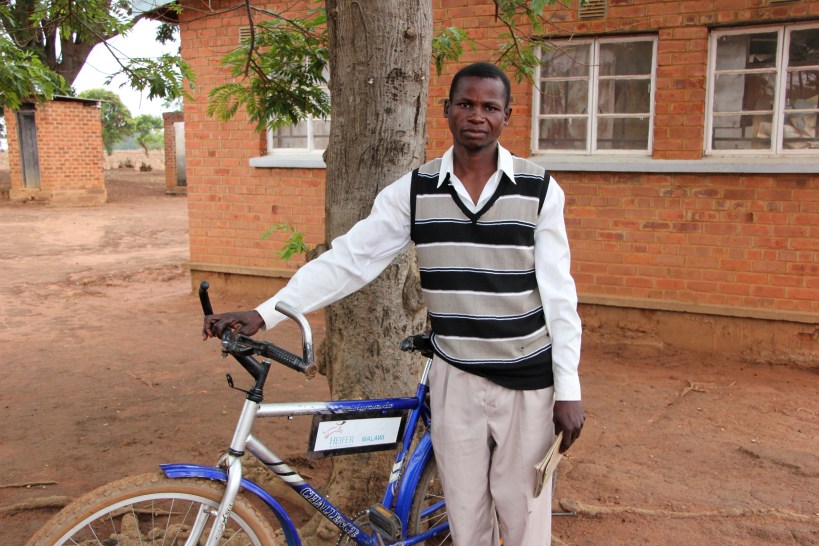
Ginison Moliyere, Heifer’s intrepid Community Animal Health Worker with his Heifer bike.

I can’t tell you how this young man’s dedication moved me.  Ginison spends 2 days each week on his Heifer bike, traveling the 15 km. radius of this project and helping people keep their goats robust and healthy. Ginison helps them do that with advice, encouragement, and hands-on training (and the government provides anti-retroviral drugs). And he does it all as a volunteer.

Records

Belvin Manda and Victor Mhango from the central Heifer office, going over records under Ginison’s goat’s watchful eye.

Ginison also gives vaccines, keeps impeccable records for 5 groups of about 250 recipients, and is raising two goats of his own (although one of his pregnant goats died the day before – a big setback). But at age 39, HIV-positive, with six children of his own and a new wife (his first wife died), Ginison doesn’t seem to sweat the small stuff; he is tremendously dignified and remarkably resolute. His household is neat as a pin, his children are all in school, and clearly he has a gifted way with animals.Gidion talks

Despite his volunteer status (farmers do pay him a small fee and eventually it should become a business), Ginison’s role could not be more important. Heifer’s project is a joint effort with the National Association of People Living with HIV and AIDS (PLWHA) and will reach 1,000 HIV-affected families with meat or dairy goats to improve their income and nutrition (goat milk is easier to digest than regular milk and has been shown to increase white blood cells). If it weren’t for people like Ginison willing to offer day-to-day support to the project beneficiaries and extend the reach of Heifer staffers, there is no way this project could reach its goals.

Sweet but so, so poor ...

Although 1 in 7 Malawians have HIV/AIDS, the numbers are going down – hopefully fast enough to protect the next generation.

Some people like Hardwell, with his 16 ragtag children, seem almost beyond the reach of Heifer’s battery of trainings. (Although Heifer’s gender equity and family health trainings are certainly encouraging people to control their own reproductive future — and of course, educating girls has been proven to be the most effective route to decreasing family size, and Heifer is all about keeping kids in school.) While it would be naive to think that every Heifer story would be one of immediate success, it was still  difficult not to feel some despair at the prospects for Hardwell’s family.

But then Ginison took us to meet Rebecca Mzingwa… and she was nothing short of an antidote and an inspiration.Rebecca2

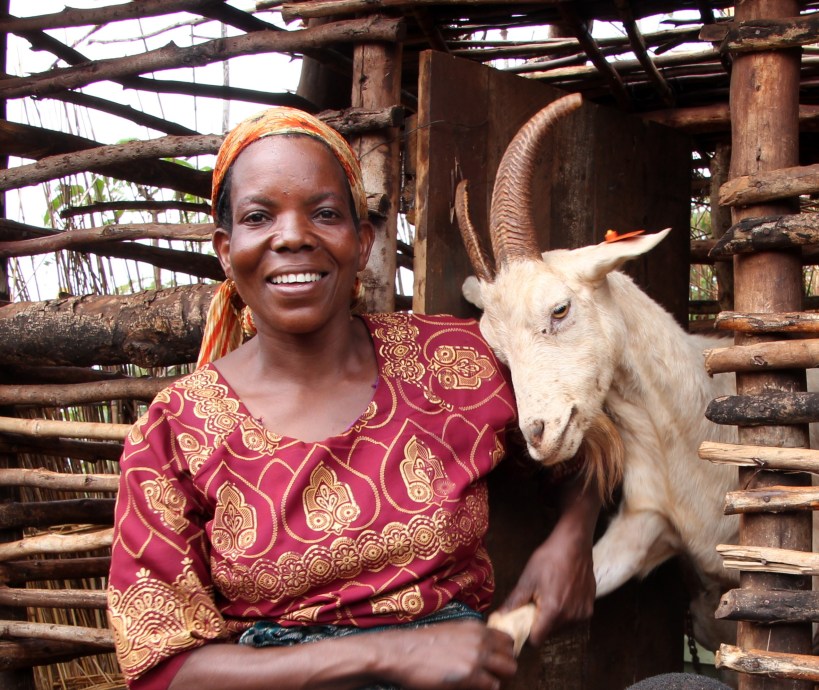
In August 2011, this HIV-positive widowed mother with 3 children and 1 mere acre of land received 2 goats from Heifer. In September, her goats gave birth to 2 more, she passed them on to another HIV family, and since then, her goats have kidded again (I love that phrase) and now she has 5 healthy thriving goats. She sells 3 liters of milk every day (saving ½ liter for herself and 8-year old Bernard) collects grass from the public wetlands every day to feed her goats, and raises maize and vegetables on her 1 acre, fertilized with goat manure.Rebecca Mzingwa

In 2-3 years, she wants to have 20 goats and I don’t doubt for a minute that she’ll do it.

“My children are orphans so I need to support them with these goats,” she says confidently, as Bernard snuggles up to her. “I am very healthy and very strong. I am fine.”Rebecca & goat2

She’s more than fine; she is a woman with a plan. And some very healthy goats.

Categories: Africa, Animals, Heifer International, Mothers, Photography, Poverty, Travel | Tags: , , , , , , , , , , , , , | 24 Comments

The many ecological wonders of Leonard’s world.

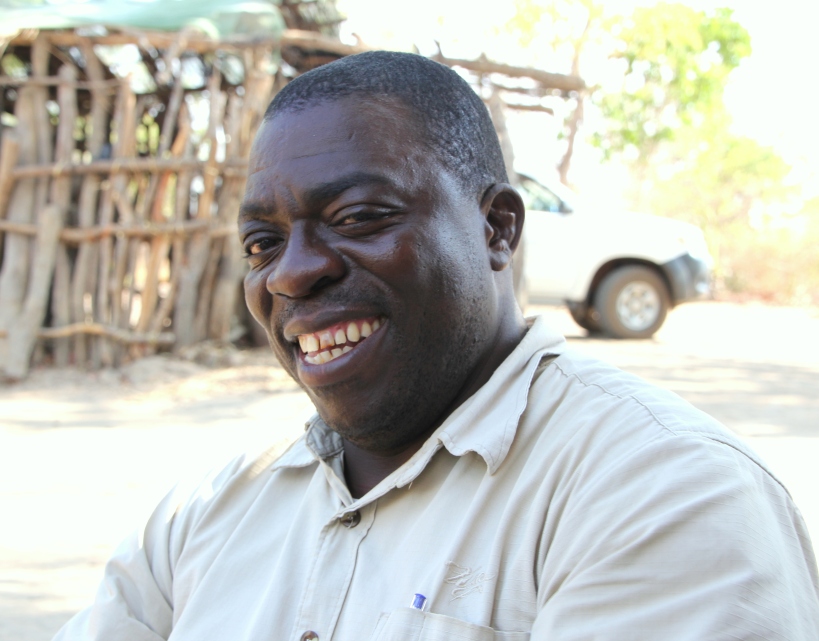
Leonard!Leonard Manda is a big man with a big heart and big ideas.

KasunguHe’d better be. As Heifer Malawi’s program director of the Enhanced Community Resilience Programme, Leonard is responsible for helping 1,600 families in 45 villages around Kasungu National Park cope with climate change and the increased occurrence of drought. These conditions cause folks to go into the nearby national park to poach for meat and cut down trees for firewood, so every day Leonard hops on his motorcycle and goes out to teach people in these far-flung villages to make better choices.
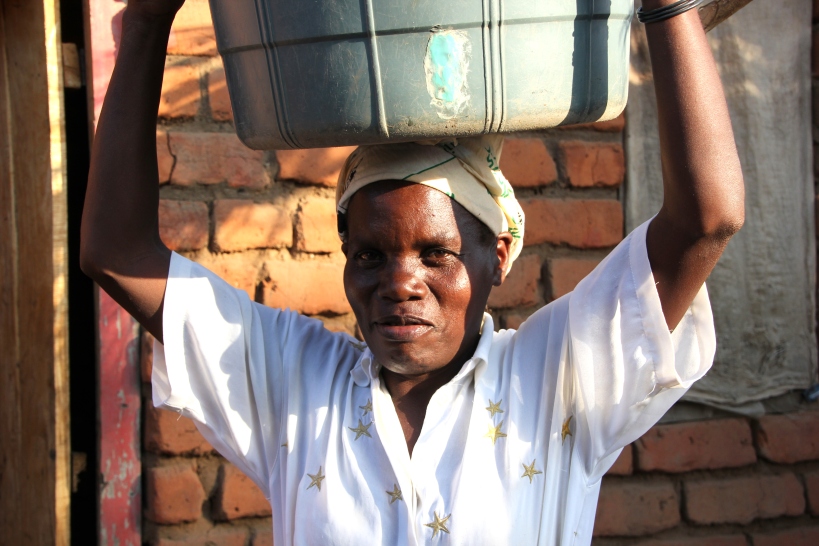
Rennie and the 20-liter water bucket they call "friend" because it takes one to lift it down from your head.

Rennie Katundu and the 20-liter water bucket they call “friend”– because it takes one to lift it down from your head.

Quality control tools.

Quality control tools.

Simple energy stove.

Simple energy stove.

And boy, is he creative! I learned so much from Leonard, I couldn’t write down notes fast enough. He’s taught women like Rennie Katundu in Mzumbatu Village to make energy stoves, using clay from anthills that is pure and uncrackable. First, the women cure the clay by burying it in a pit for 2 weeks. Then they smear ash inside a bucket mold to prevent sticking and spread the clay inside the mold with their heels. They use “quality control tools” Leonard fashioned from sticks to precisely measure the width and depth of the clay, then place the molds inside to dry overnight, release them in the morning, finish with the handles and pot rests… and voila! A time-and timber-saving treasure!

Leonard also teaches the women to make super-smart fireless cookers (think of it as a wireless crockpot) so they can cook rice and protein-rich beans in a fraction of the time. This cooker is so clever it delighted me to no end…fireless w lid

Instead of wasting 4 hours and bundles of firewood to cook beans, women can boil them in water for 40 minutes in the morning, pop the pot into an old basket lined with banana leaves, cover it with an insulated top, and four hours later (lunchtime!) the beans will be piping hot and ready to eat.fireless Everything to create this fireless cooker is readily available to the women – old baskets, banana leaves, old cloths – and it can make the difference between a family eating a diet of all carbs and enjoying protein-rich meals. (And rice “cooks” in 40 minutes after just two minutes of boiling!)
But Leonard’s bag of tricks goes far beyond the kitchen. He’s also teaching people to use the local public dambos (wetlands) to grow community gardens all year round – and to make vegetable “sack gardens” using plastic bags of soil, manure, river sand and permeable stones to hang in the house for immediate use.
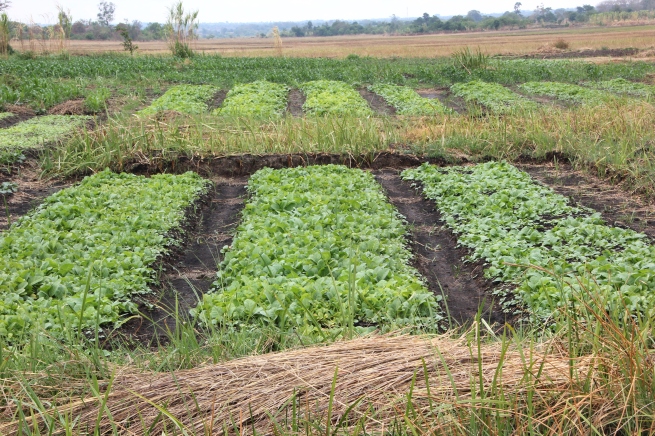
A dambo filled with winter lettuce

A dambo filled with winter lettuce

To combat deforestation in Malawi’s densely populated land, Leonard is helping to create tree nurseries in villages like Mzumbatu, where the women are growing thousands of seedlings in an empty plot. watering trees.
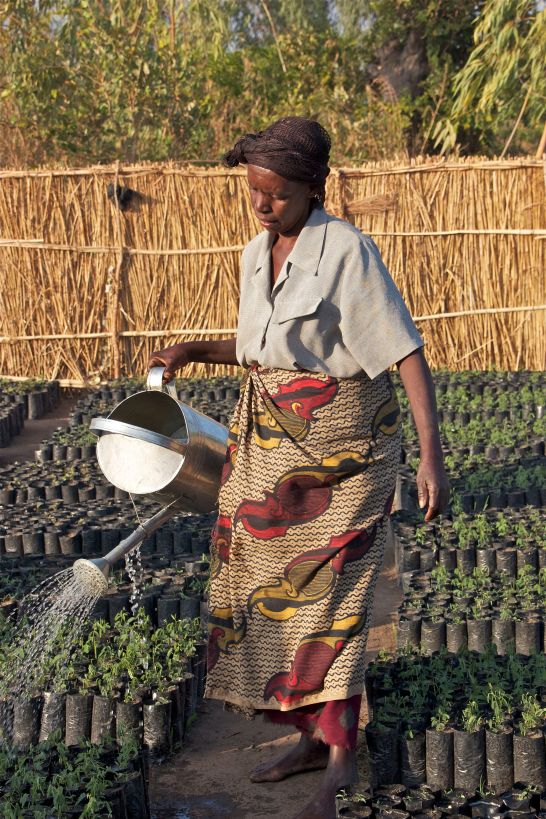
Heifer and its partners provide the seeds, soil, and training – but the women do the work of planting each plastic sleeve of soil, and watering the tiny acacia, senna semia and other indigenous trees that will soon provide firewood and poles for the community.
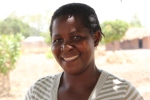
Miss Ruth DeoThe indomitable Ruth Deo showed us what the resulting Community Wood Lot will look like. With Leonard’s guidance, her village grew the trees from seeds for months, then 20 villagers spent 5 days planting the 5,500 tiny trees on a hectare of land the village headman had donated. In 5 years, these trees will be grown and each of the village’s 88 families will be allowed to take 4-10 trees every year from the lot (depending on need). And since seedlings will be replanted every year, the village will ensure its supply of sustainably-grown wood for the future – right in its own back yard.
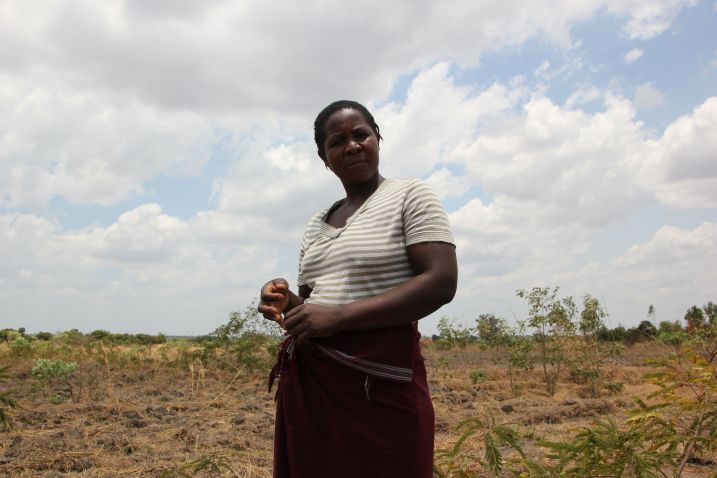
Big trees... soon to come!

Big trees… soon to come!

Leonard’s also a big fan of conservation agriculture – and he took us to Joseph & Bibiana Phiri’s farm to show us how minimum tillage, crop rotation, and crop residue management can replenish exhausted soils and increase production.

Bibiana Phiri

Bibiana is a force of nature in her own right, and was eager to show off her fields covered in corn husk residue that cuts down on parasitic witch weed, improves sandy soil, and decomposes in the rainy season to form compost. She’s kept the trees in her fields, adds manure on top of the crop residue, and is now using 1/2 the expensive fertilizer her maize used to require. Bibiana’s goats – 2 of the 1,268 Leonard has placed in Heifer’s 45 villages – are thriving and she and her husband are big fans of the useful trainings they’ve received.
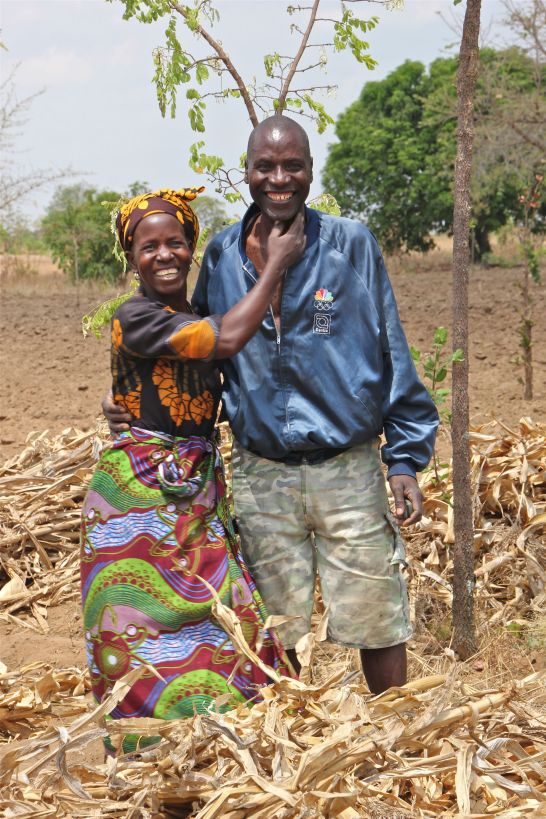
The Phiris... knee-deep in conservation agriculture!

The Phiris… knee-deep in conservation agriculture!

Now it’s not like Leonard is doing every bit of this work himself. The ECRP is a $15 million, 5-year, 61,000-family endeavor funded by the Department for International Development, Irish Aid & Norway, and implemented by a consortium of aid organizations, with Heifer as the leader in livestock. In that role, Leonard is a trainer of trainers, working with multiple ministries of the government to make sure these programs endure after Heifer’s role has ended – but his leadership, passion and just plain sweat equity were a marvel to behold.leonard3
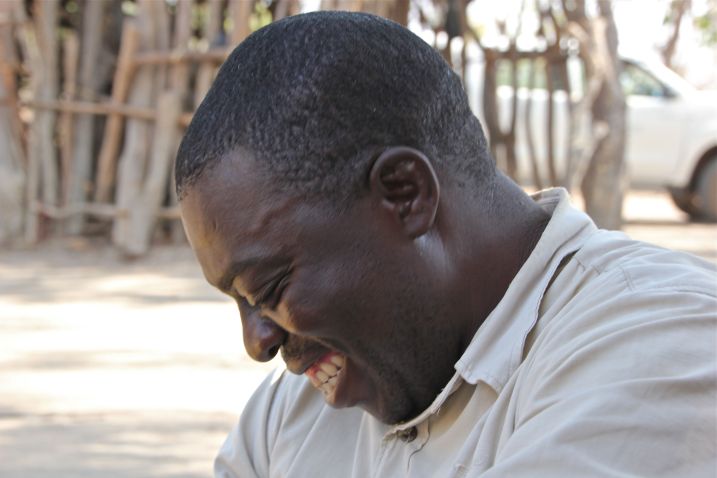
In our final hour together, Leonard showed me the cool Energy Kit Heifer has put together to offer at a discount to smallholder farmers. The kit consists of a solar panel, solar light, rechargeable battery, and transistor radio for crop information and news (illiterate people can still listen), …. all at a 30% discount. energy pack
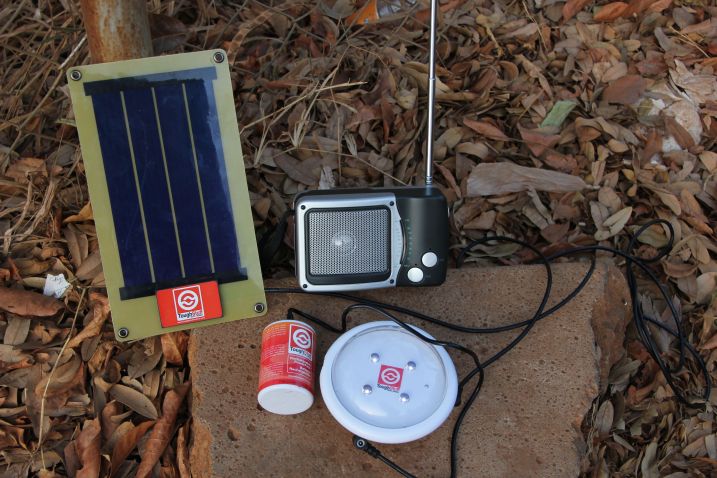
I thought that was a perfectly fitting metaphor for Leonard–an indefatigable source of sound and light for Malawi!

~~~~~~~~~~~~~~~~~~~~

heifer-international1-640x501And for all you technophiles (and Mac-ademics) … check out what MASHABLE had to say about the new Heifer catalog app… the FIRST non-profit magazine tablet app ever.  Click here to download it on your iPad or Android tablet & you’re good to give! Whoeeee!

Categories: Africa, Agriculture, Environment, Farming, Heifer International, Inspiration, Malawi, Photography, Travel | Tags: , , , , , , , , , , , , , , , , , , | 10 Comments

Blog at WordPress.com.