Animals

A beautiful life.

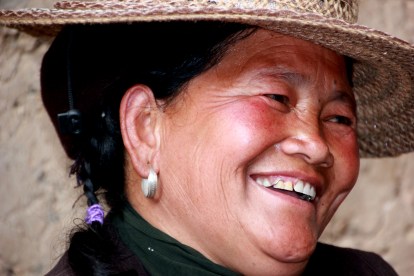
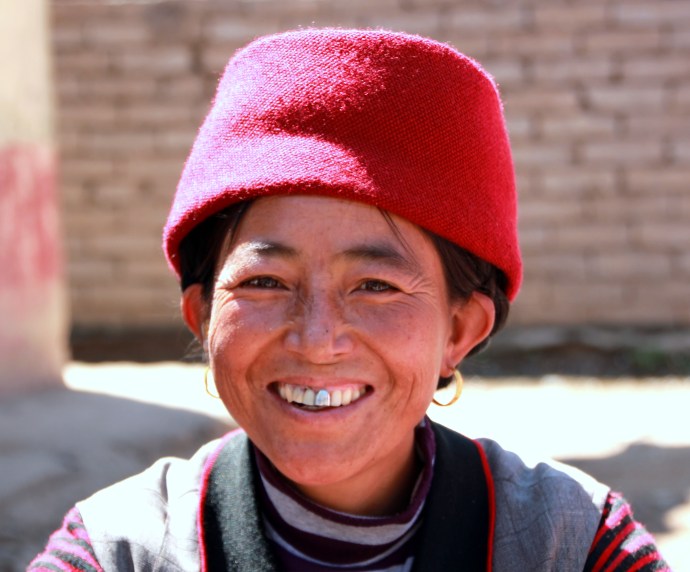
The first thing you notice about Waqi Wunin is how deeply alive she is– with sparkling eyes, a melting smile and a big personality housed in a pixie frame. Which is ironic considering the fact that every day, Waqi confronts her own death.

Waqi has AIDS; she got it from her drug-addicted husband who died in 2010, leaving her a widow with three small children, now 10, 8 and 6.

The good news is that Heifer International started a pig project in Zhaojue County, China in 2006 –and in 2009, Waqi was selected as a Passing on the Gift recipient of two piglets and a sow.

Despite the fact that she was then very ill (with fevers that gravely damaged her hearing), Waqi never missed a single training from Heifer staff and project managers. She learned to build a concrete sty for her pigs, and religiously adopted the habit of cleaning it three times a day to keep it hygienic and insect-free. She learned how to inject her pigs with vaccines and give them medicine so they could survive debilitating diarrhea and minor infections. She learned to raise nutritious forage crops in the fields behind her house and feed her pigs organically. And she learned to keep meticulous breeding records to improve the genetics of her stock.

As a result of her hard work, Waqi is now breeding the most healthy, clean, fertile, and laid-back pigs I’ve ever seen.

And it’s not just my opinion; the whole village of Puti knows that Waqi has the best piglets around. In 2011, she sold 140 piglets for 12,000 yuan ($2,000), plus earned another 4,000 yuan from an abundant rice crop fertilized by her pigs’ manure. All this from an original 2 piglets and a sow from Heifer – a gift that she passed on to a new needy family last year, along with all the teachings and trainings in how to raise good pigs that she generously shares with any neighbors who want to learn.

Waqi is a leader in Puti Village, the Zhaojue government official associated with Heifer’s project told me in admiring wonder. Teaching by the power of her own example, she’s paid off her husband’s debts, sent her children to school, loaned money to others in need, and even though she needs IV treatments three times a week and has to take handfuls of government-supplied medicines daily to stay healthy, she never stops working.  

Looking around her spotless, cheerful household with all its responsibilities of animals, farming and beautiful young children, I know it’s an overwhelming burden for one small healthy woman to manage. When I asked her where she gets the will and energy to prevail–and to give to others — for the first time her smile disappeared and the grief running just below the surface of her life crumpled her face in tears.

“Sometimes it’s hard for me to get up in the morning, but thinking of my children forces me to get up and do the work,” she says when she composes herself again and breaks out the twinkling smile each one of her children has inherited. “It’s for my children that I want to go on.”

Waqi’s adorable oldest daughter.

This Mother’s Day you can share the love that Heifer is letting loose in the world by clicking here. ( I know it’s what I’m asking for.)
Categories: Agriculture, Animals, China, Photography, Travel, Women | Tags: , , , , , , , | 28 Comments

Not exactly a Tiger Mom.

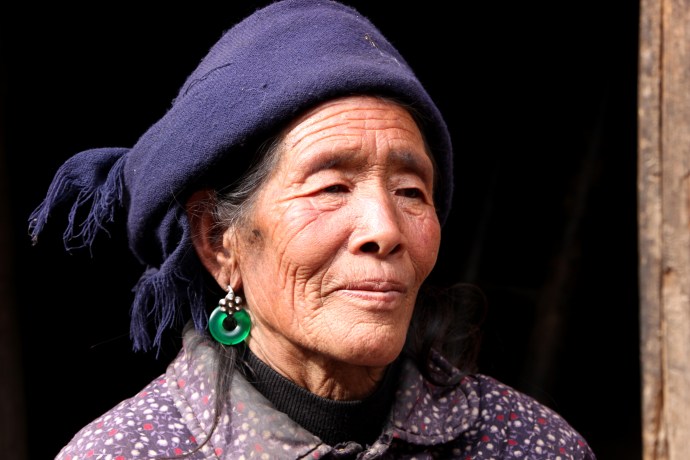
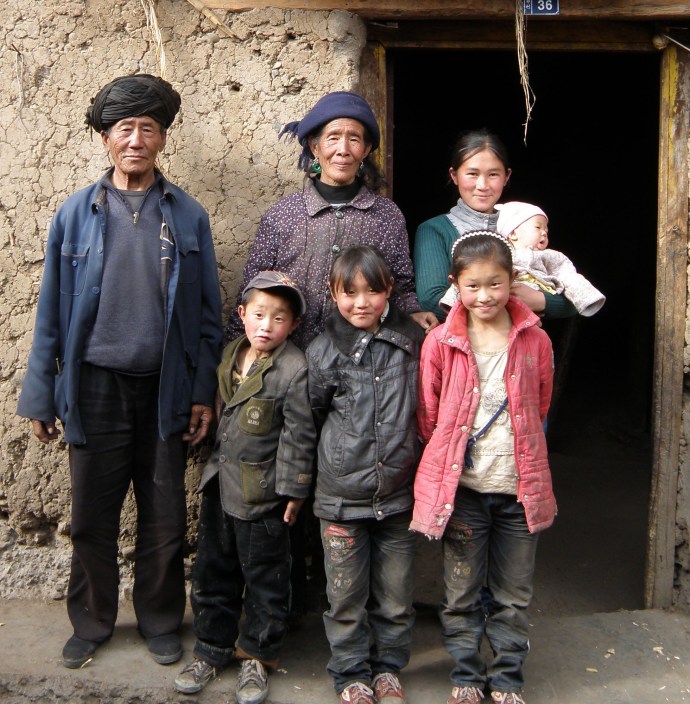
Jisu Erxi is 70 years old, poor, and living with her husband Leer Wujia and her three grandchildren in Gudu community, Zhaojue County, Sichuan Province. She’s missing some teeth and there’s no doubt that the years have not been easy on her. Her eldest son is in jail, having left behind his two children with Jisu & Leer when they were infants. Her second son married a nice girl from the village but he is a migrant worker miles away. And when Jisu’s youngest son disappeared, his wife fled the drug-filled marriage, leaving another baby behind for Jisu & Leer to raise.

The Wujias definitely don’t follow writer Amy Chua’s Tiger Mom rules for perfect Chinese mothers: (1) schoolwork always comes first; (2) an A-minus is a bad grade; (3) your children must be two years ahead of their classmates in math; (4) you must never compliment your children in public; (5) if your child ever disagrees with a teacher or coach, you must always take the side of the teacher or coach; (6) the only activities your children should be permitted to do are those in which they can eventually win a medal; and (7) that medal must be gold.

But whatever Jisu lacks in forcing her own children to achieve, she more than makes up for in kindness: the entire time she was telling us the sad story of her children’s failures, she was stroking, caressing and hugging the grandchildren they left behind. Her diligence, caring and hard work is what brought her to the attention of Abi Shiha, leader of the Gudu Women’s Self Help Group.

The irrepressible Abi Shiha

“These women lead really harsh lives,” says the relatively affluent Abi, “but they were working so hard, I felt like I should help them find new channels to succeed.”

And those new channels led to Heifer and some really great pigs.

Established in March 2009 with the help of Heifer International, the Self-Help Groups Project consists of about 80 female-headed families in Zhaojue County who agreed to participate in livestock trainings, group savings accounts (each woman contributes $1/month and from that fund any member can borrow), and in community- and income-building activities like hog-breeding and community clean-ups that teach group responsibility and achievement (Tiger Mom maxims).

Everywhere you look, it’s women doing the work.

It’s step-by-step learning for women whose daily lives are a struggle against deprivation and despair.

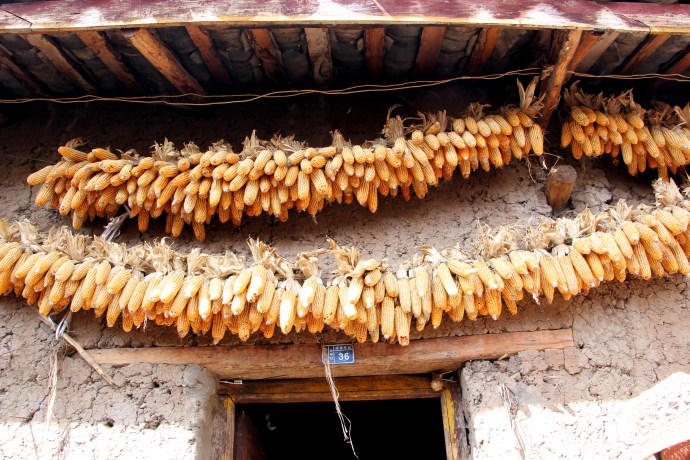
A stockpile against hunger of beautiful maize.

Zhaojue is an outlier community: peri-urban, beset by AIDS and drug abuse, and predominantly female, as the vast majority of males have left for work in the cities. Typical income is less than $300/year and there is very little land to farm. But with the gift of Heifer pigs, the women’s income increased more than 3,000 RMB in a year, and some families increased 10,000. (Abi & her husband raised these prize winners:)

Gudu women  have learned to be self-reliant, help each other, and establish hygienic habits in their houses and the community, even petitioning the government to build clean, healthy biogas stoves. They also adopted Heifer’s Farmer Field School trainings to plant pasture for their animals and vegetables for their children, and by November 5, half the women had Passed on the Gift of animals to another 80 needy families– a full six months’ ahead of schedule.

As we sat in the yard talking & admiring Jisu’s 3 Heifer sows, 1 fattening pig and 9 piglets, the grandchildren, who were rather withdrawn at first, reverted to their feisty adorable selves. They are all in school now (the better township school Jisu proudly told us) and they finally have enough food to eat and clothes to wear. “Before, we had nothing to sell so we couldn’t even buy shoes,” she explains. “But now we have pigs.”

The promise of a new generation: Jisu’s daughter-in-law and youngest grandchild.

And in Zhaojue, pigs are better than tigers any day.

Categories: Animals, China, Heifer International, Hunger, Photography, Travel, Women | Tags: , , , , , , , , , , , , , | 33 Comments

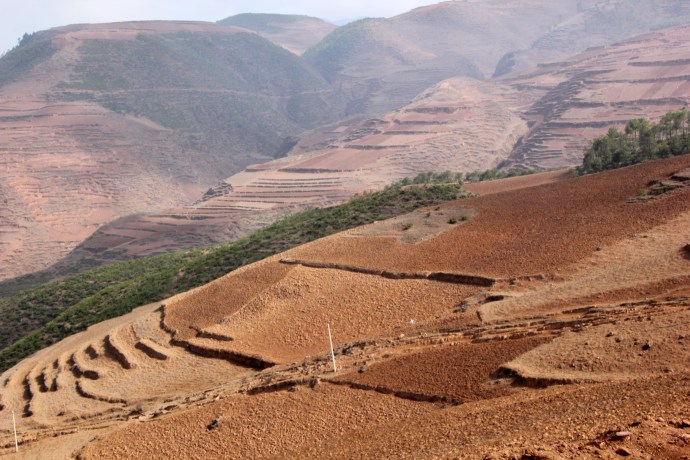
High (but not dry) in Yi Country, China.

Dala Amo and Waxi Town, high in the mountains of southwestern Sichuan province, aren’t necessarily the kind of place you associate with China. The ethnic Yi people who live here are dark-skinned and exotic-looking, with fantastical costumes right out of Witches of Eastwick. They love to drink beer and liquor; raise (and eat) buckwheat, potatoes and sheep; and drape themselves in gorgeous necklaces, earrings and ornaments. Needless to say, they’re my kind of people!

But the Yi people are also some of the poorest in China. Their remote and isolated environment is infertile and dry as a bone, their towns often have no running water, and education in the mountain schools is half-hearted and spotty, without teachers they can depend on to show up.

So Heifer China has implemented projects in Dala Amo and Waxi Town, helping 55 families in the higher Dala Amo to breed sheep, and 120 families in Waxi to breed calves, to replace yak-raising that has been prohibited because of the environmental damage those animals cause. (Yaks eat the entire grass plant when they graze, including the root, so they destroy the vegetation that protects the mountains from catastrophic mudslides.) Cows and sheep that can be kept in pens and fed forage crops are far better for the environment.
But since this is Heifer, people don’t just receive animals, they also get the trainings to ensure they can raise, breed, feed, and keep the animals, their families, and their community robust and healthy. Since the project’s inception in 2010, women like Qubi Buxi in Dala Amo have reaped the rewards of these trainings, fueled by her own inexorable enthusiasm.

The remarkable Qubi Buxi

She and her husband Jikemuxia are poor but motivated, married for 30 years, with 5 daughters and 1 son. (Ethnic groups in China are not bound by the 1-child restriction but can have three…or however many children until they get a son). Qubi received 8 sheep through the program and now has 26; and with the funds she earned from selling sheep, she has bought two cows and 5 pigs; and paid the university tuition for two of her children.

The happy couple & their herd (his rainproof Mick Jagger coat is made of palm leaves).

Qubi is delighted with her sheep and says her herd is healthy because she learned from Heifer to grow a variety of forage for their feed: grass, radish leaf, bamboo leaves and oats. She can use the sheep wool to make the thick, warm ubiquitous capes seen everywhere, kill the goat for meat, or sell the best specimens for about 1100 RMB (almost $200) each. She also uses the manure to grow the few crops that thrive at this altitude (why am I always going to thin-air places??): radishes, potatoes and oh yeah, potatoes.
Down below in Waxi Town, the 120 families who were given cows are having a somewhat more difficult time of it. Moke Xiaoming received two female cows and they are doing well, but of the 240 cows gifted, 34 have died in this pilot project. Yaks thrive in cold, wet, windy places but cows are not native to the area, and the people aren’t used to raising them. Even the Heifer vet techs in the area have not been able to save all the animals – but Heifer is confident they can help Waxi inhabitants make a success of the switch from yaks to cows – and generate community activism through the self-help groups that manage the project.

Dala Amo’s village leader, Enzhalani, describes the progress of the villages in stark terms: eighteen years ago, when he was first elected, no one in the village had shoes and without a road, it was a 6-hour walk to the market. But today, people can afford to eat two meals a day and the children look relatively healthy (if dirty) –maybe because the people still use indoor, fire-pits that smoke up the entire house – in direct contrast to most Heifer programs where clean-burning, vented hand-made energy stoves are the norm.

Sheep soup on the boil for lunch, on a very smoky inside fire (notice the tire base).

In China, Heifer always partners with a government agency to implement projects (it’s required)… but that contact has had the beneficial side effect of the communities learning to advocate for themselves, interact with officials, and petition authorities for services. In 2010, two roads were built linking to the outside world (increasing incomes ten-fold) and the day we visited, more electricity was coming to Dala Amo, with water projects being planned as well.

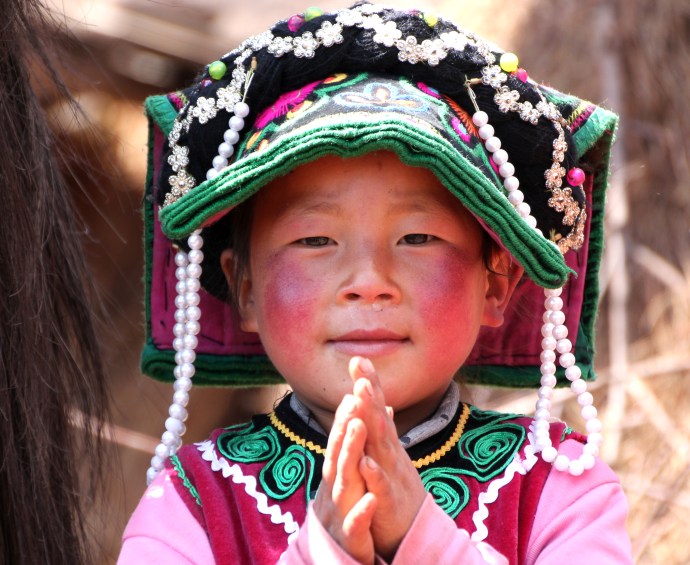
Life is not easy in Yi villages, but one of the things I loved to see was the Heifer respect for traditional culture, children being raised to know the dances, language and songs of their people, and farmers given a chance to succeed on their own land. As we lifted one final shot glass of beer in the last of about 25 toasts (I felt like I was auditioning for Hangover 3), I was giddy with the sweetness of the people, their hope for the future, and the merry faces of the children, all dressed up and so excited for the festivities (that would be my arrival).

Can you find the Westerner in this picture?

I really hope all those cows make it!

Categories: Animals, China, Farming, Heifer International, Photography, Travel, Women | Tags: , , , , , , , , , , , , , , | 20 Comments

Never can say goodbye…

Non-readers, rejoice!

A few of my favorite photos of Peru, virtually unencumbered by any stories or text….

Every terrace was built by Incan hands, hundreds of years ago.

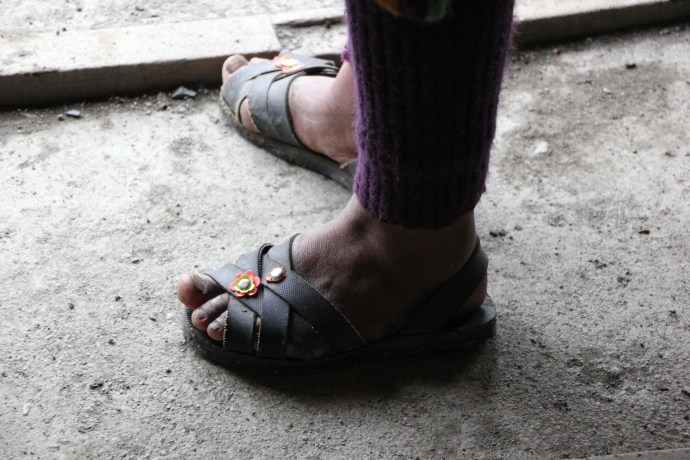
At 14,000 feet, in wind, rain and cold, the Yanqui sandal is made of tire strips and is the only foot-covering Highlands people wear.

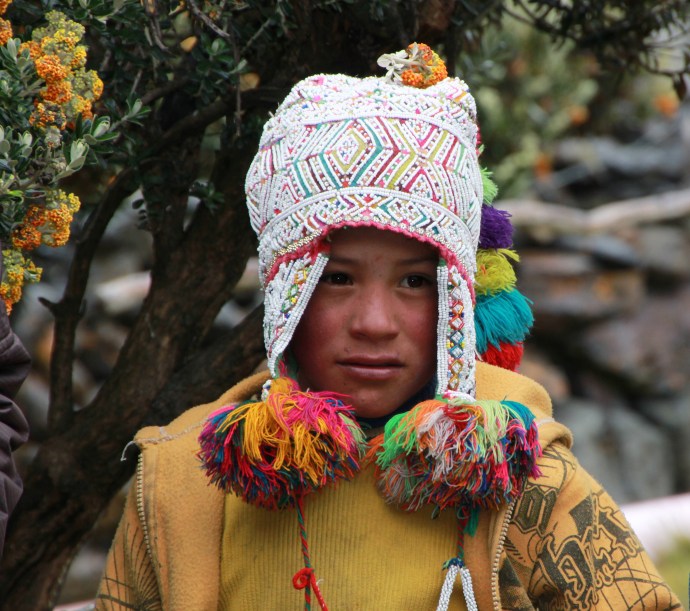
Even the boys are fancy ...

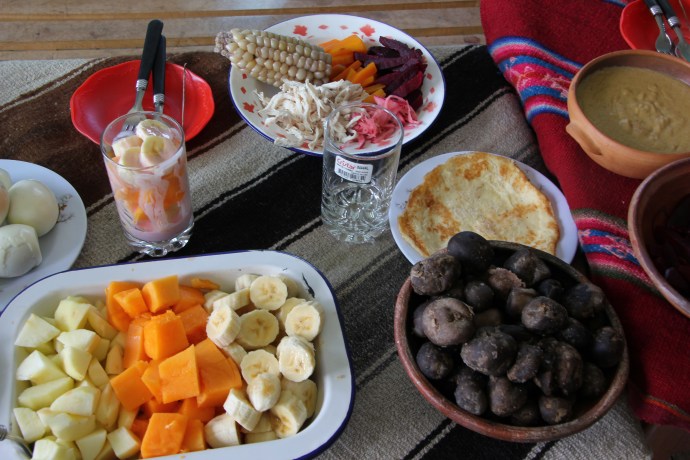
Lunch is served.

Three generations of strong women.

And a true gift for giving.

If you want to thank the people who made this trip possible, show some love with a donation to Heifer Peru.

Muchas gracias, mis amigos...

OR.. try this groovy idea on for size: Buy a Sevenly t-shirt & $7 will be donated to Heifer Haiti (which I also LOVE). Next stop: China & Nepal…. stay tuned!!

Todo mi amor, Peru!


Categories: Animals, Heifer International, Peru, Photography, Travel | Tags: , , , , , , , , , , , , , , , , , | 22 Comments

I’ve got friends in high places.

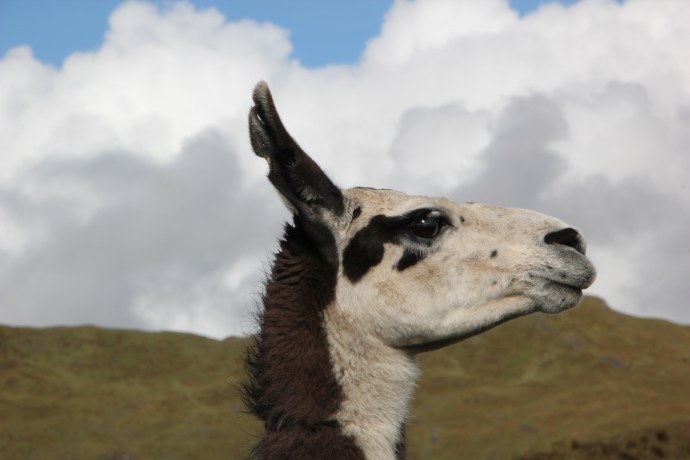
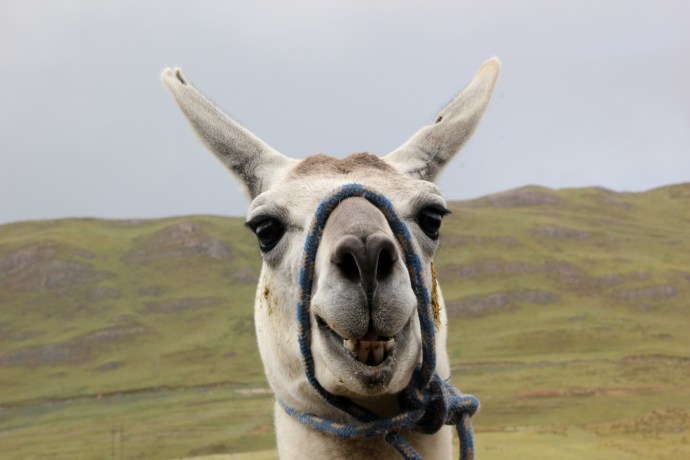
Up until now, I’ve spent a lot of time swooning over the alpaca, while paying precious little attention to its camelid cousin, the llama. So in my last blog about Peru (boo hoo!) I’m aiming to rectify the matter.

The llama doesn’t get much respect in many places in Peru– it’s the shaggy, blue-collar cousin of everybody’s favorite cuddle-bug, the alpaca, and the irresistible, Audrey Hepburn-channeling vicuna.

How can you compete with the ever-elegant vicuna?

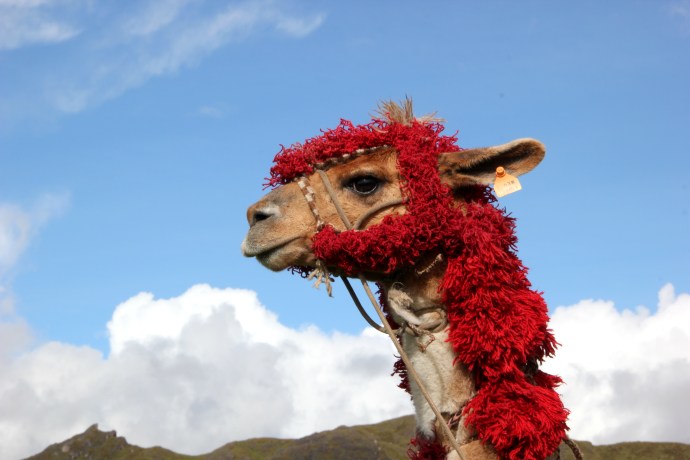
But in reality, the llama is a working class hero – capable of carrying 35 kilograms of potatoes on its back, trudging long distances without breaking a sweat or requiring too much water, reproducing without drama, and providing tons of meat when it’s required to make the ultimate sacrifice.

To see the best llamas the world has to offer, we traveled to one of the worst cities I’ve ever seen: Pasco, Peru. Heifer’s charismatic country director, Alfredo Garcia, insisted I go to Cerro de Pasco (at 14,200 feet, one of the highest cities in the world) because he wanted me to see firsthand the destruction that mining has wrought …and boy, did I. The irony is that the countryside around Pasco is staggeringly beautiful, reminding me of nothing so much as Paradise Valley, Montana. 

Glorious Iscaycocha, which is Quechua for “land of two lakes.”

Yet when you enter Pasco City, you understand the meaning of “Something evil this way comes.” The mine isn’t near the city, it has consumed the heart of the city in a huge, gaping hole oozing rusty rainbows of effluents pooling into foul, oil-slicked ponds, billows of suspicious fumes, and enormous, variegated hills of toxic mine tailings. It’s a monstrous cavity in the maw of the drab, gray, cold city.

Cerro is the mining company plumbing for riches here in copper, zinc, gold and silver, and it employs most of Pasco City’s residents. It’s hard to imagine anyone choosing to live here or, god forbid, raise children in this toxic waste dump, but my Heifer translator Rosaluz Salazar assured me that having a job in the mines is a coveted position in Peru, something that kids from the countryside aspire to.

From here to the unimaginable mines?

Which makes the work Heifer is doing, supporting the tradition of raising llamas in 800 families in 13 agricultural communities around Pasco so critically important. We visited Iscaycocha, a community of 60 people who are part of this Heifer/FODESA project to celebrate a community greenhouse, witness a Passing on the Gift ceremony, and adore some spectacular llamas.

Don’t hate me because I’m beautiful … hate me for all my many, many awards.

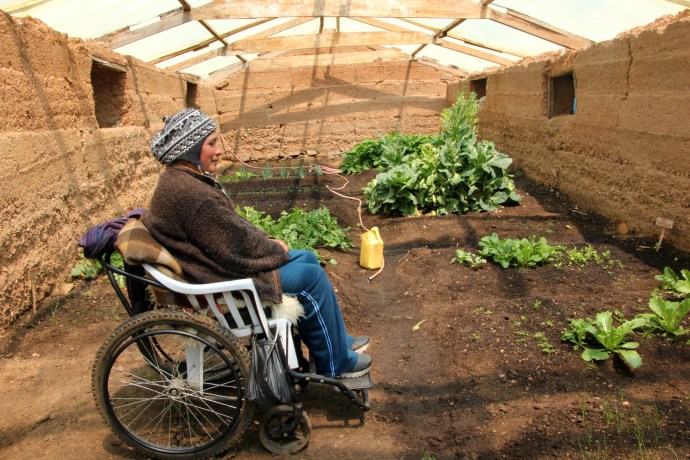
The day was chilly and looked like rain, but when we walked into the 1-year old greenhouse it was toasty warm as Luis Basilio Ramirez and his wife Yaqueline Mesa greeted us. The greenhouse was built by members of the community, with Heifer providing materials and FODESA (a local NGO that’s been working here for 17 years) giving technical advice. It was placed at the Ramirez house because its proximity to the road means all the families can easily come for the robust harvests, and because Yaqueline, crippled in a car accident three years ago, was seriously depressed and needed something to grow. That’s just the kind of close-knit, caring communities that Heifer tends to create (“The projects teach us brotherhood,” one participant said simply.) 

Yaqueline Mesa Ramirez in the community greenhouse.

Now Yaqueline waters, plants, and oversees the organic garden that provides lettuce, tomatoes, beets, cauliflower, carrots, coriander, cilantro, cabbage, radishes and fava beans to family & neighbors who literally have never had vegetables in their diets before. (At 14,000 feet, there is no growing season without a greenhouse.) And those vegetables taste particularly beautiful with the llama meat that Heifer has helped these breeders to produce, promote, market and sell.

Fresh, nutritious fava beans .. yummmm!

For years, llama meat (like llamas themselves) was considered dirty, and vastly inferior to alpaca. But these prime breeders of Pasco are producing such high-protein, low cholesterol, super-clean meat with their award-winning llamas, they have quadrupled its price– and their business plan (written with a Heifer advisor) is to market their llama meat regionally and nationally, with specialties like llama burgers, llama sausage and llama hot dogs winning over dubious hearts & stomachs.

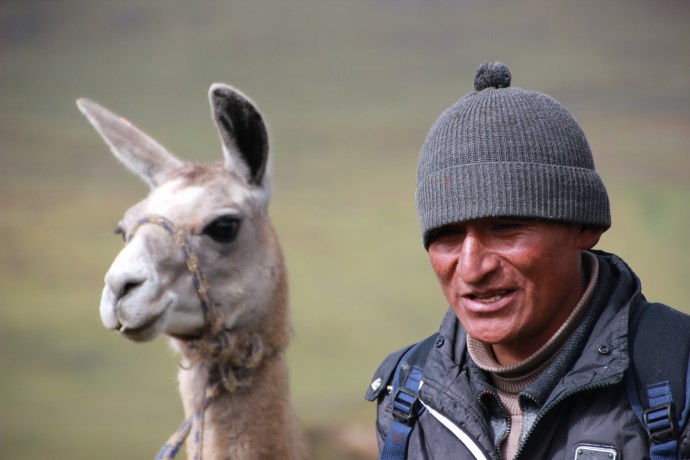
Do the best breeders come to resemble their llamas?

As we watched a third generation of really spectacular Heifer llamas being passed on from one Iscaycocha family to another, the sun came out, candy was thrown to celebrate, and the mining and environmental degradation of nearby Pasco City felt a million miles away. Where God willing, it will stay.

A gift for giving…

Goodbye for now, beautiful Peru!

Categories: Agriculture, Animals, Heifer International, Hunger, Peru, Photography, Travel | Tags: , , , , , , , , , , , , , , , , , , | 27 Comments

Blog at WordPress.com.