Armenia

What I Ate in Armenia.

If you want to know what it feels like to be a goose on its way to becoming fois gras, I can’t think of any better place to go than Armenia. Right now, I am so stuffed full of great food, I feel like I should be spread on some dark rye bread and downed with a nice reisling … but let’s let the photos do the talking.

Actually, it’s impossible to feel bad about how much you’re eating in Armenia, because the food is so deliciously fresh and unadulterated….and because every Armenian is going to tell you with earnest conviction that whatever you’re eating is “really good for your heart,” no matter what you’re shoving in your face.

It’s ALL good for you …

“Eating local” is an understatement here. Everything you’re imbibing is probably five minutes out of the garden or orchard or barn, and you’re literally going to break somebody’s heart if you don’t accept a third helping. And why would you want to do that? You’ll probably never eat this good again.
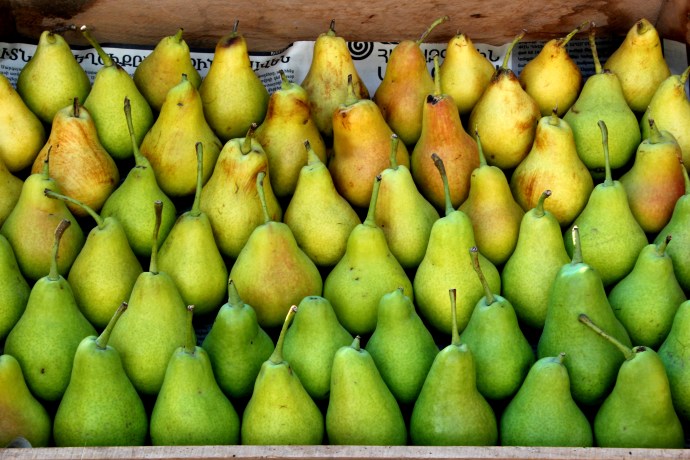
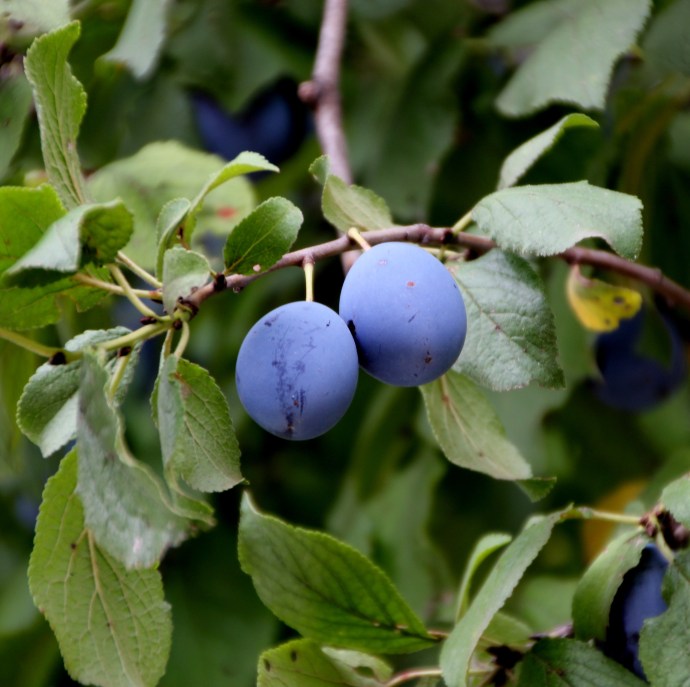
I could (usually) resist the cakes and sweets – but only because I was taking in about 45 pounds of fructose a day in the form of a glorious cornucopia of peaches, plums, apples, grapes, figs, melon, pomegranates and dried fruits of every sort.
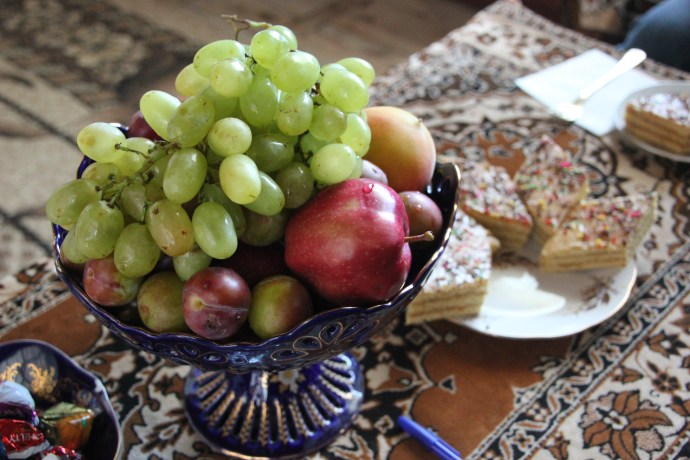
See what I mean?

Unfortunately, apricots were not in season– which caused terrific sorrow in my hosts as the superiority of Armenian apricots is a matter of national pride here. (They wouldn’t even let me take photos of the substandard remainders of the harvest.)

(Lackluster apricots have been removed from this photo.)

Dairy also figures prominently in every meal and is lusciously fresh and  homemade– whether it’s butter, cheese, regular yogurt or squeezed yogurt (hugged yogurt, I liked to call it), which looks exactly like a big heaping helping of sour cream and tastes amazing, even if my lactose intolerance caused me to skirt that bowl every time.
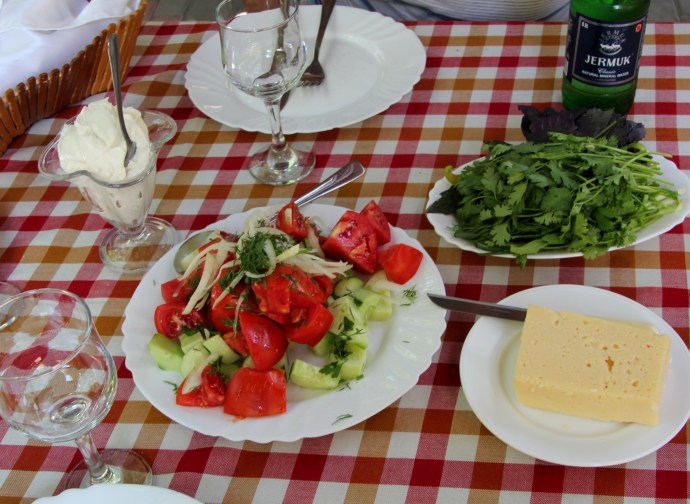
Fresh hugged yogurt is on the left, in the parfait glass!

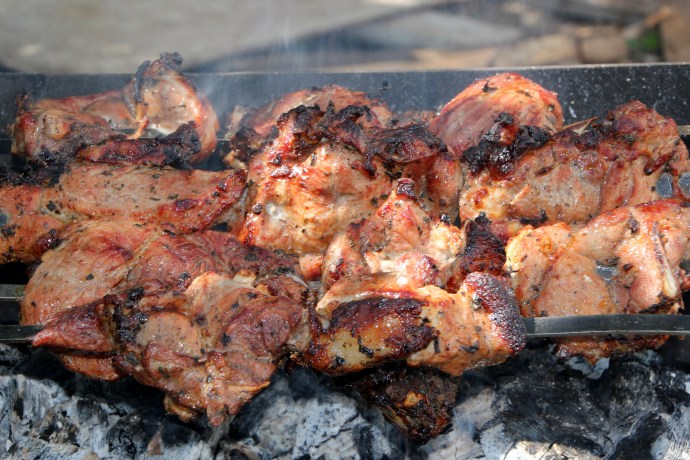
I can’t leave off talking about food without discussing Armenia’s legendary, proprietary barbecue – which is nothing like the slathered, ketchupy sides of beef you see in the American South. Instead, the meat is marinated in a lot of fresh herbs, plopped on a firewood grill and grilled to perfection, which makes it (you guessed it)… really good for your heart!
Oriental coffee is thick as syrup and will be served to you (whether you’re overcaffeinated or not) every place you stop, with a big heaping bowl of fruit and some version of cake. But when the Armenians get down to it, meal-wise, they’re going to be serving lahvosh (watching them make it is amazing!)

And cheese. And tomatoes, cucumbers, peppers and pickles. And meat or fish with a generous handful of purple basil, dill, oregano and cilantro to sprinkle on top. And potatoes. And cabbage slaw. And olives.
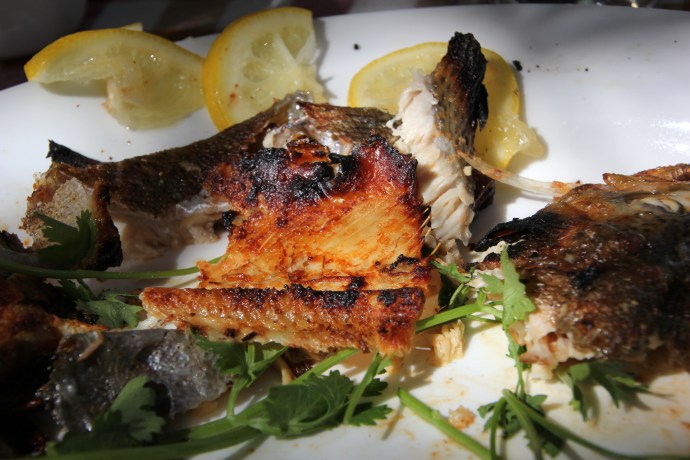
Trout fresh from the river next door — the last bite!

Armenians love food… they love to grow it (every house has a grapevine draped over the entrance and at least a few fruit trees surrounding the terrace)… they love to cook it and they love to eat it, surrounded by friends and family. Perhaps it has to do with the terrible starvation and privation Armenians suffered during the genocide of 1915, but the one thing I can tell you for sure – this culture is all about food. And Heifer is all about helping them to grow and raise more of it. (And I’ll all about deeply, profoundly appreciating it.)
As they say in Armenia, “Anushlini!” – Let anything you eat be sweet to you!

Categories: Armenia, Farming, Food, Heifer International, Photography, Travel | Tags: , , , , , , , , , , | 28 Comments

Smells like teen spirit.

The first day after I arrive in a country, I’m pretty much in a semi-delirious jet-fog. So when my trusty  Heifer Armenia guide/guru Vahe told me we would be driving two miles north of the capital city of Yerevan to visit a bunch of teenagers, I was … speechless.

Inside Hairavank Monastery at Lake Sevan

We started at beautiful Lake Sevan – Armenia’s largest lake that is surrounded by lovely dun hills and ancient monasteries. These rural communities are challenged by high levels of unemployment and poverty, aging Soviet technology, low agricultural productivity, and for teens: the absolute lack of anything to do.After 70 years under Soviet rule, Armenia is still shaking itself awake from the soporific habit of socialist dependence. In 2002, Heifer’s dynamic country leader Anahit Ghazanchyan decided to kickstart that change with a clarion call to those most likely to respond: the youth of Armenia who are open to new ideas, full of fearless energy, and eager to flex their entrepreneurial muscles.

Change agents extraordinaire.

Heifer’s youth project, called YANOA– Young Agriculturalists Network of Armenia– is a huge undertaking, touching the lives of 4000 youth in 29 rural communities. In Lake Sevan alone, YANOA has produced 3 generations of kids who have been through a rigorous after-school program that teaches kids practical life skills in any one of 7 Directions: Animal Husbandry, Business Development & Management, Ecology, Health Education, Civic Education, Public Relations & Journalism, and Logical Thinking. It engages them in their communities doing everything from publishing newsletters to fixing holes in the street; debating gender issues to influencing town policies, starting small businesses to raising animals.

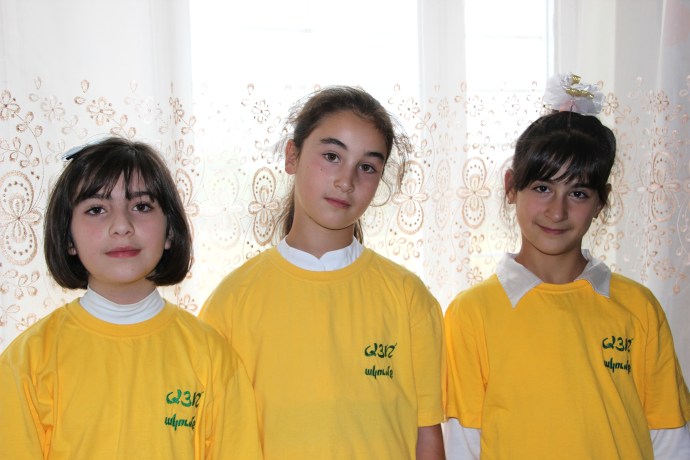
The sweet faces of the future of Armenia

YANOA is taught and managed by community volunteers like Osana Sahakyan who follow an established Heifer curriculum with the kids for three years and take them through a remarkably sophisticated and hands-on learning process that ultimately earns them the gift of cows, fruit trees, worms, seeds, or seed money from a $22,000 revolving business loan fund. Armenian kids respond to the opportunity like thirsty plants soaking up water; I saw the results in Metaqsya Matevosyan and the adorable entrepreneurs of New Original Beautiful.

Beekeeper Metaqsya and her YANOA mentor, Osana Sahakya

Metaqysa’s father is an accomplished beekeeper, and she chose the Business Direction because she wanted to focus on producing her own honey. After studying the market, competition, and developing a business plan, she qualified for a $100 loan from Heifer that she used for two fully-equipped hives with about 80,000 bees each. With favorable weather those hives will produce 20-25 kilograms of honey that she can sell at $6 to $7 a kilo.

Metaqsya and her hives

Metaqsya has branded her honey A+A for “Work Advantage” (in Armenian) produced great labels, and is selling in direct competition with her dad, which he loves. She’s on fire to get more hives and once she passes on the $100 loan to another budding entrepreneur in December, she is going to ramp up her business and really get going.

Where the New Original Beautiful magic happens – around the sewing machine, of course!

The five 15-year old friends who have formed the textile collaborative New Original Beautiful are equally articulate, confident and enthusiastic about their business potential. They’ve enlisted David’s mom, a skilled tailor, to help them understand fabric, sewing techniques and experience, but the creativity comes from the fab five. Ani is the best sewer. Mariam likes to write commercials and do marketing. Vahan is the distribution guy. And David & the other Mariam make sure work gets done on time, savings are put away to pass on the gift of their $100 Heifer loan, and their pricing is right.

Picking the fabrics is Ani’s specialty (with David’s mom’s help).

Recently, they realized that the bed linens they were producing were not profitable enough, so they’ve moved into producing tablecloths, which are very profitable.

Their slogan: “We work during the day so you can rest at night” has proven to be very popular .. and even though they’re all just 15, they feel they are an unbeatable team and plan to have their own factory one day .. and sell tons of stuff in America.

Mariam loves writing& recording commercials, and New Original Beautiful was her name creation

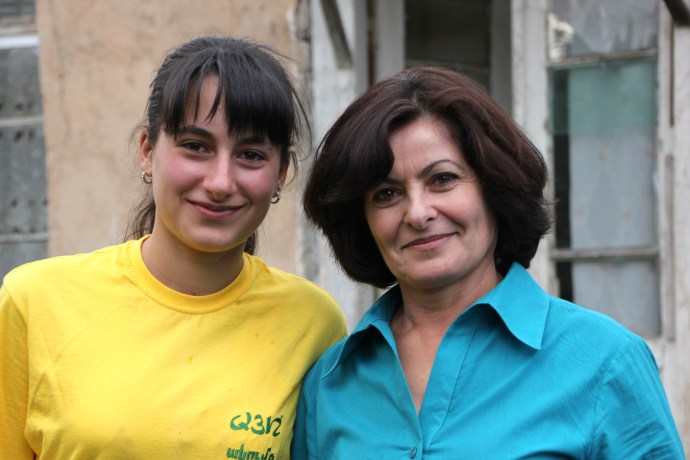
What makes this particularly moving to me is the unvarnished excitement and full engagement of the kids. They can’t wait to talk about their big plans and what they’ve learned so far. Like teens everywhere, they’ve also had a trickle-up impact on the adults that work with them — like Osana, their YANOA mentor, who has evolved from a quiet housewife into a committed civic leader as she’s helped these kids develop enormous new confidence, vocabulary, ideas and perspective—and learned from them the feeling that anything is possible.

Armine and her son Ishkhan, 16, who wants to become a farmer and extend the family lands.

Instead of thinking they need to migrate or marry to have a promising future, these Armenian teens are learning they can develop a business in Armenia, be successful, and  control their own destiny. Says 16 year-old Ishkhan of Chkalovka, “Before we were counting on the state. Now we count on ourselves.”

How New Original & Beautiful!

~~~~~~~~~~~~~~~~

(And to read more about MY beautiful Classy Weekend, click here...)

Categories: Armenia, Children, Heifer International, Inspiration, Photography, Travel | Tags: , , , , , , , , , | 12 Comments

Barev, Armenia!

A beautiful land with a harsh history.

When I told people I was going to Armenia with Heifer, the most frequent response was, “Wow, um.. where is that?”

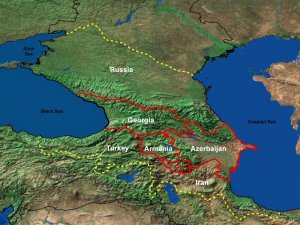
So – first the geography lesson: Armenia is just east of Turkey and bordered by Georgia to the North, Azerbaijan on the East and Iran to the South. Which basically means Armenia is a raft of Christianity in a sea of Muslim countries (Armenia was the first nation in the world to adopt Christianity as its state religion in 301 AD). And that has pretty much defined and shaped its turbulent history through the ages.

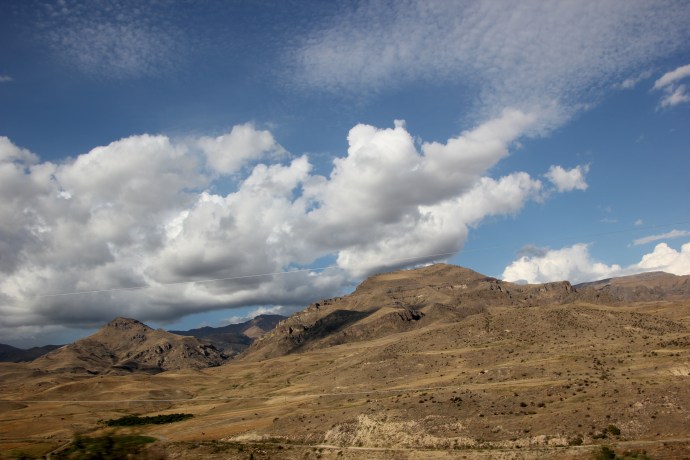
Armenia is a mystical place – filled with monasteries, pagan temples, prayer stones and churches, most tucked away in wildly remote places to protect them from destruction. (It didn’t.)

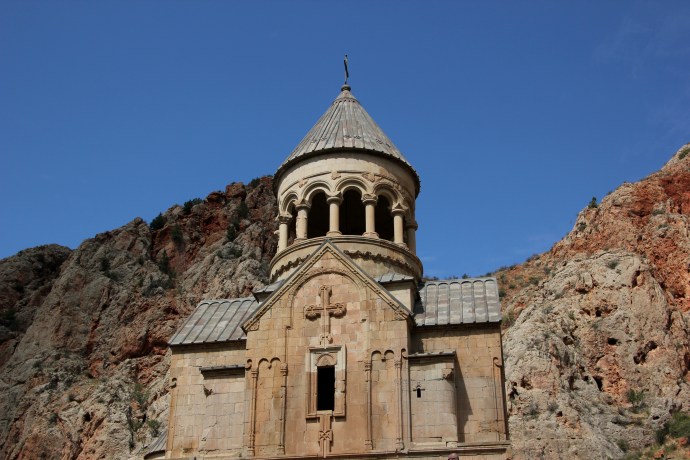
Noravank Monastery, in a gorgeous bedrock canyon that reminded me of Utah.

These Christian monuments are the pride of Armenia, as well as testament to a seemingly endless parade of invaders: conquering Persians, rampaging Mongols, invading Turks, totalitarian Soviets, as well as the ravages of devastating earthquakes. For over 600 years, Armenians knew themselves to be a distinct people, and yet were not a sovereign country. Faced with hostility from all sides, Armenians held fast to their identity and managed to survive into the modern era with a faith as deep and constant as the obsidian stone that is part of this beautiful landscape.

Even Armenia’s beloved Mt. Ararat, where Noah’s Ark supposedly landed, is now part of Turkey.

Although the Kardashians are undoubtedly the world’s most famous Armenians, they are not typical of the Armenian character (sorry, Kanye) – although I did see an awful lot of beautiful women in the modern capital of Yerevan. Actually, it’s a bit hard to get a firm grasp on the Armenian character because it’s full of such deep contradictions.

Armenians are enormously proud, highly educated (with a literacy rate of almost 100%), and hospitable beyond your wildest expectations. In centuries of life along the Silk Route, Armenians became known for their business savvy in commerce and trade, and they interacted easily with almost every European and Asian culture. But Armenia’s psyche is indelibly haunted by the memory of great loss (1.5 million annihilated in 1915 alone) and like all the Caucasus’s states, the people have experienced centuries of brutal conflict that staggers the imagination and continues today.

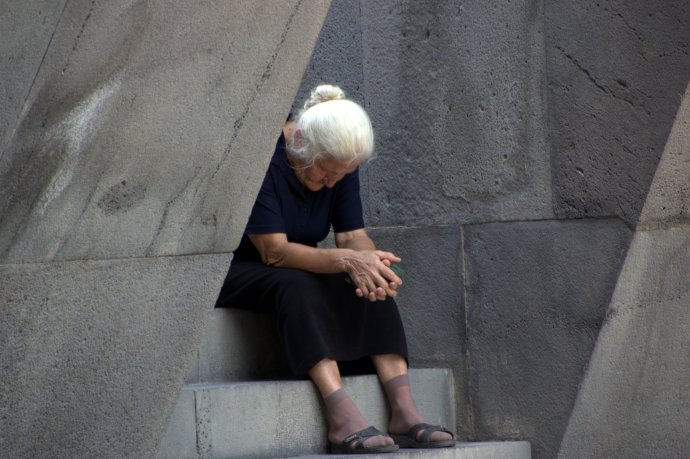
Woman deep in sorrow at the Genocide Memorial in Yerevan, Armenia’s capital.

Armenian people are tough; they’ve had to be to. But they are also joyful, sweet people who love to garden, to eat, to talk and to welcome visitors — particularly if you’re one of the 8 million Diaspora Armenians who’s coming back home.

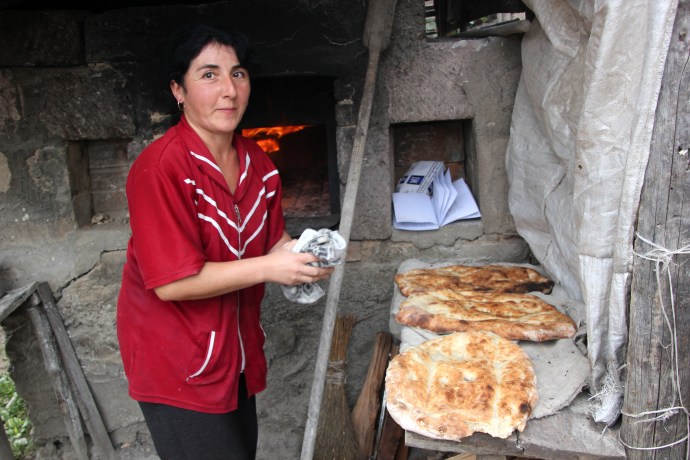
An Armenian rule: If you walk by when someone’s baking bread, you have to eat some. (Oh, twist my arm!)

Armenia was a part of the Soviet Socialist Republics for more than 70 years, and has only been independent for 21 years. Like Romania, Armenia’s economy was far more robust and productive under Soviet rule, and the country is still struggling to establish a modern economy with almost no natural resources (and with its two borders with Turkey & Azerbaijan closed). While the capital of Yerevan is bustling, elegant and thriving,  in the countryside there is little besides subsistence farming to support the villagers, and the poverty rate approaches 35%. Many men have immigrated to take jobs in neighboring countries; in fact, three times as many Armenians now live outside the country as inhabit it.

But Armenia is hardly depressing. For one thing, the country is beautiful. The food is incredible ( a big fat blog on that later), and the people are totally endearing.

Even their blooming Christian cross never features a Christ, because Armenians believe in the rising.. not the suffering.

And that’s as good a prescription for moving forward as anything I can imagine!

Categories: Armenia, Heifer International, Photography, Travel | Tags: , , , , , , , , , , , , , , , , | 32 Comments

Blog at WordPress.com.