Heifer International

Wild Rwanda!


On most of my Heifer trips, I’m pretty much all work and no play, which I suppose makes Betty a dull girl…except somehow it never, ever feels dull to me.

This trip to Rwanda was Lulu’s 21st birthday present trip, though, so after 5 solid days of project tours, home visits with Heifer beneficiaries, Passing on the Gift ceremonies, and five-hours-a-day bouncing around in trucks, I felt like she’d earned a little R&R.

So we headed to Akagera National Park in Eastern Rwanda, one of the least populated (at least by humans) places in this densely populated country.

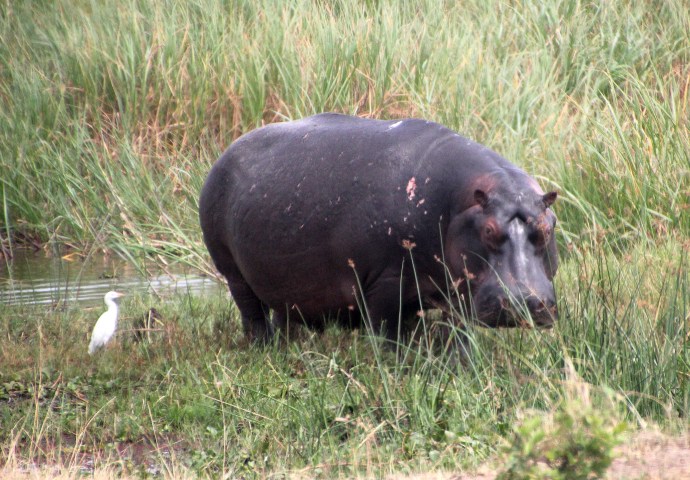
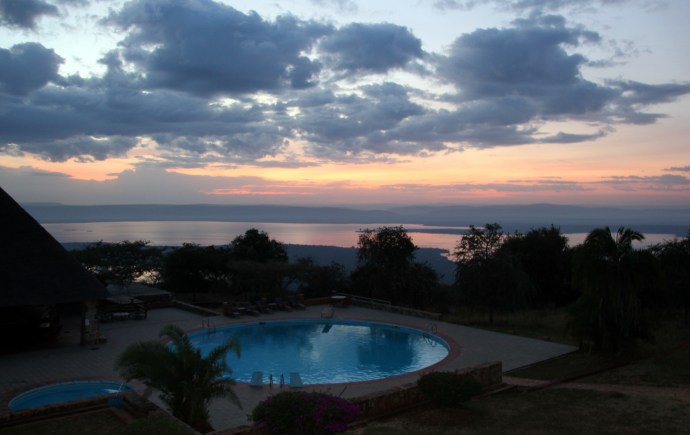
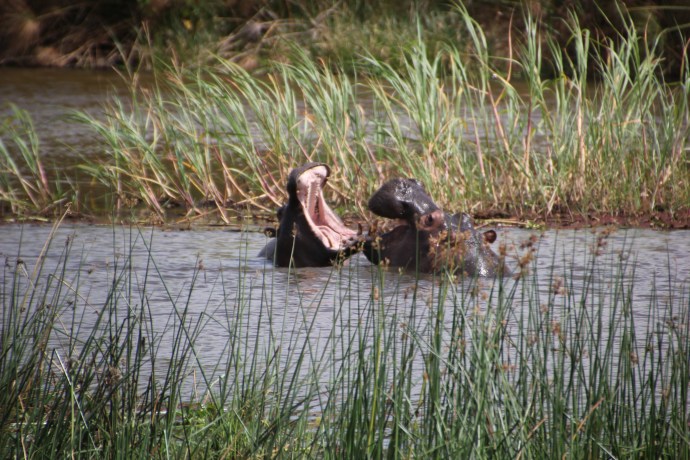
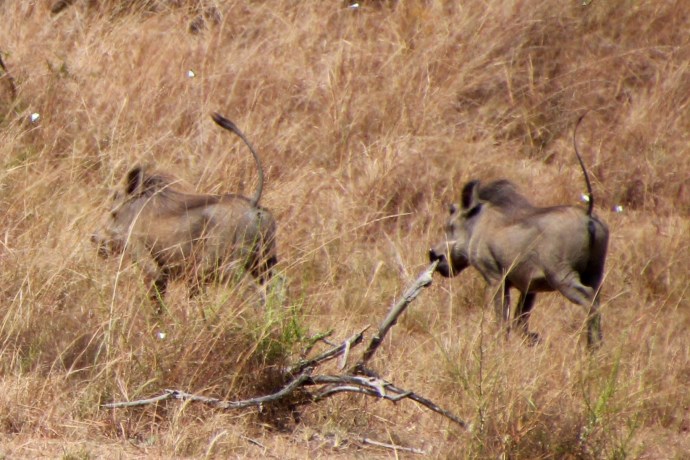
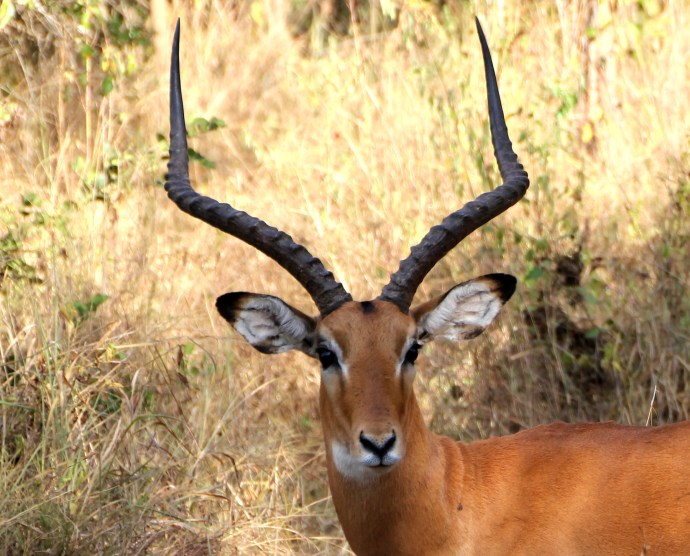
We stayed in the odd but beautifully situated Akagera Game Lodge (“It looks like a horror movie should be filmed here,” Lulu sagely noted of the half-reconstructed hotel with a wing full of forlorn, windowless rooms but a glorious pool with stunning views of Lake Ihema.)And of course, the animals we saw were amazing – we drove right up to hippos, giraffes, baboons, antelope, zebra, and countless exotic birds — and pretty much had the park to ourselves.

The only thing we didn’t see was Akagera’s herd of 100+ elephants. But it was somehow comforting to think that amount of body mass could disappear into the wild… especially in Rwanda, where there is so little wild left.

After all the beautiful Heifer animals we’d seen, you might have thought we’d be over the awe.Not even close.

The bigger, the wilder, the better! We love Africa!

Categories: Africa, Animals, Heifer International, Photography, Rwanda, Travel | Tags: , , , , , , , , , , , , , | 30 Comments

A woman named Constance.

18 ½ years ago, Constance Bangire was working as a primary school teacher in the town of Masoro, east of Kigali, teaching second grade. She and her husband, who worked as an executive in a nearby mining company, had two young daughters and a baby son at home and two sons, aged 14 and 16, in secondary school. And then the genocide happened.

In those 100 days of horror, Constance’s husband and two sons were murdered. Her house was burned to the ground. And she and 24 genocide survivors took refuge in the school where she’d taught children to do their letters and color happy pictures.

The orphans’ records in the boulangerie.

I’m not sure what I would have done under those circumstances (my mind won’t even go there), but I’m fairly certain I wouldn’t have done what Constance did. Once the school reopened, she and 7 other women survivors decided to share their teaching salaries with other widows and orphans of the genocide, who literally had nothing to sustain themselves or their families—no homes, no livestock, no food.

Orphans waiting for bread outside the boulangerie in Masoro.

Each woman contributed $30/month to that fund and Constance came up with the idea of getting local women to make tablecloths and dresses they could sell. Then she went to the Minister of the Family and asked for goats and sheep to replace the slaughtered livestock, and she started writing proposals to international donor organizations, hoping they might support her efforts.

Genocide survivor, sewing since 1996…

In 1995, the Swiss-Italian NGO Insieme Per La Pace stepped in to help and L’Association Dushyigikirane was born. In its first 4 years, Constance focused on helping genocide survivors, but then she said she started feeling bad about only helping people from her tribe. “I received some trainings, I went to my Catholic church, I prayed a lot, and I learned to forgive.”

Orphan girls waiting for bread.

“Everyone was having problems, not just the survivors. All the animals had been killed, our bananas were taken, our land and crops were gone, and our husbands were either dead or in prison.”

“Before the genocide, Hutus and Tutsis were always together. But afterwards, people feared each other and were scared to be together. So I just brought them in the same room to work.”

Today, Constance’s organization employs almost 100 people (mostly women) and has built most of the town’s center.

The pretty new community center of Masoro.

There’s a thriving village bank that provides microfinance loans at 2% interest; new meeting hall; a boulangerie that distributes 2 loaves of bread twice a week to 961 orphans and pays their school fees with sales of its delicious corn cakes; a dress-making operation; local handicrafts cooperative; retail store; tilapia fish pond; fabric shop; sugar cane café; apiculture co-op; classes in literacy, finance, and adult education; a home-building project for 67 homeless people; basic provisions supplied to 82 old people – and of course, a Heifer project.

Once Constance heard in 2004 that Heifer might give her neighbors cows, she was on it. Because her local organization was so strong, L’Association Dushyigikirane received 32 cows over the past few years, and will be getting 36 additional pregnant heifers before the end of the year.

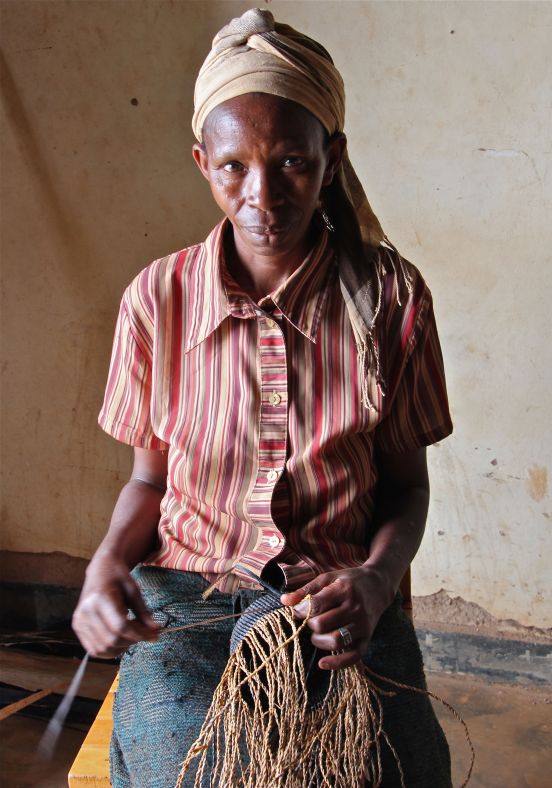
Agnes Akayezu has been working with Constance’s handicrafts organization for 10 years.

A Heifer-paid vet works with the village, as does an animal health care worker, to keep the animals healthy and producing milk. Constance is a big fan of Heifer but thinks her village should be getting a lot more animals. I’d be the last one to disagree.

Gabrielle Mjyonjyoh, one of Constance’s first village bank customers, with her savings passbook.

“I’m the Mother to everyone in Masoro,” Constance says matter-of-factly. “I try to see those who are in need and do something about it.”

Categories: Heifer International, Inspiration, Photography, Rwanda, Travel, Women | Tags: , , , , , , , , , , , , , , | 27 Comments

Cows R Us

Rwandans love cows. They have songs about cows, they have dances, their whole culture is based on the love of the cow.
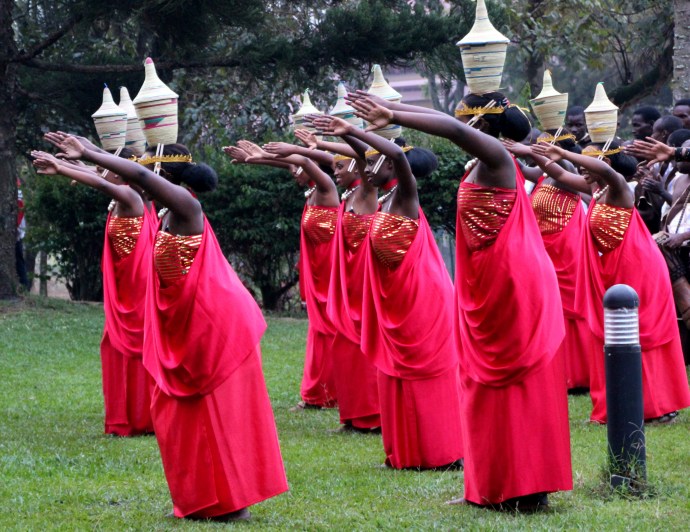
The beautiful umushagiriro (cow dance) — I guess those are their horns.

And Rwandans are infinitely patient and gentle with their cows — even when they are being kind of .. pushy.

This Heifer heifer walked right into the ceremony, butted the speaker, went for the drinks & nobody batted an eye.
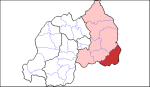
Kirehe, Eastern Province

So it makes sense that the Rwandan government would partner with Heifer, an organization named after its favorite animal, to help 6,382 families in the poor rural district of Kirehe earn a living, improve their land, and feed themselves. It’s part of the government’s national initiative called A Cow for Every Poor Family — that remarkably (well, not really) is based on Heifer‘s beautiful training/giving/passing on model.

Why a cow? I asked Kirehe veterinarian Dr. Jean de Dieu Niyitanga that question and he had this succinct answer, “Cows mean milk and money.” Then he waxed poetic and scientific about what cows need to thrive. For someone like me who thinks a cat requires far too much attention, raising a cow sounds like an inconceivable amount of work. So I asked him to elaborate.
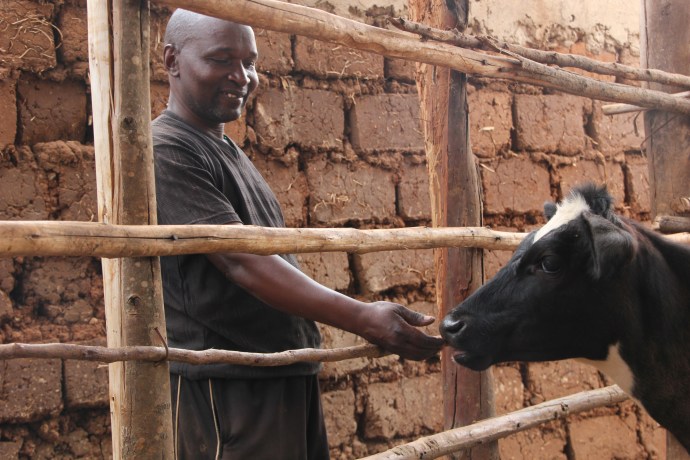
“First you have to love your cow, because if you love your animal, you’ll treat it well, feed it well, and keep it clean and healthy.” Okay, but what does that exactly mean?

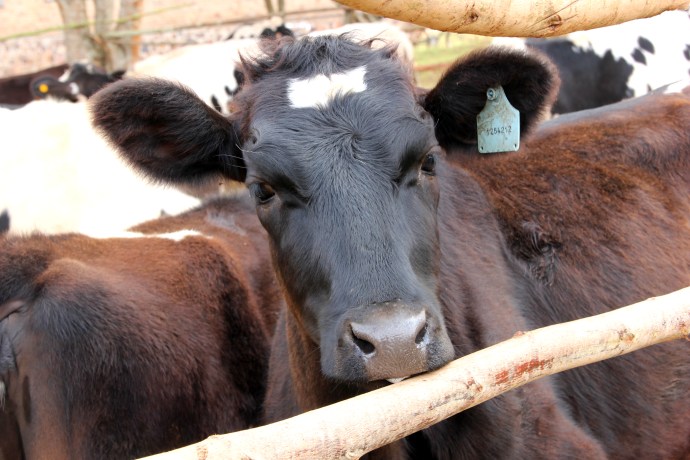
The cows Heifer gives to poor farmers in Rwanda are pure breeds, either Jersey cows (brown) or Friesians (black & white). They produce a lot of milk (up to 30 liters a day) but they also demand a lot of food– about 1/10th of their weight in food a day in grass, cereals and legumes that the farmers must grow and harvest. Cows also need a salt lick to provide calcium, potassium and sodium to replace the minerals lost when they are producing milk.

Like any nursing mother, heifers drink a lot: 50-80 liters of water a day, depending on their weight, and that also has to be carried on somebody’s head back to the home.

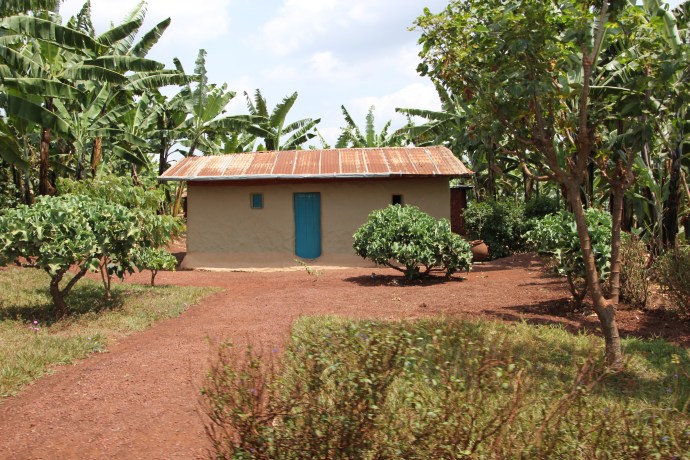
Cows are big, gentle animals but they require shelter from the elements. So before getting a cow, every participant has to build a shed with 6 bags of cement (@$16/bag) provided by Heifer for a concrete floor to keep the cow’s feet out of dung, wet mud, and to facilitate manure-collection. They’re also given aluminum sheets for roofing – and required to pass on the same cement & aluminum when they pass on the gift of the cow to another poor farmer.

Veneranda Mukagakwandi & her cow & her cow sheds.
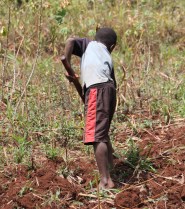
Alfred’s son digging the fields.

Then there’s the issue of keeping the cow clean: the shed needs to be shoveled out at least once a day, and the animal washed with soap and water twice a week (more water to carry). Cows must also be sprayed to protect against flies and ticks that can give them theileriosis, a tickborne disease that can kill them if left untreated. And the heifers are always watched closely for mastitis – or they can permanently lose use of a teat.

My brain was whirling with the possibilities for bovine disaster, but to Rwandans a cow simply means milk, money and manure. One cow will produce 3 tons of manure a year – and that is hugely important to the farmers planting their crops in the over-cultivated, poorly producing soil in Kirehe. Farmers report a 75-100% increase in ag productivity with the addition of cow dung– and that’s no small potatoes.

So, how has a cow specifically changed the life of somebody like Alfred Nsengimana? After Alfred had a home visit and was designated as able to raise a cow, (if you don’t have enough land or strength to take care of a cow, you’ll first be given goats or pigs), he built his shed and received the 182 hours of training that Heifer gives all participants – to make sure they know how to breed, lead, raise and take care of the animal.
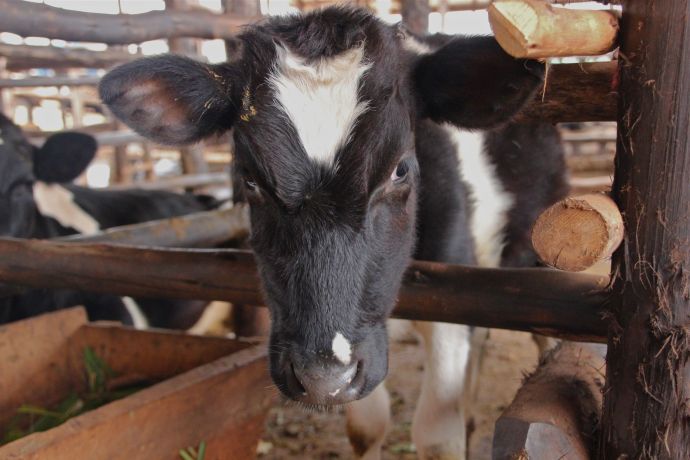
After those six months of training, Alfred received a pregnant Friesian heifer, it gave birth to a female that he’s passed on to a neighbor, and now Alfred is earning $50/month from the cow’s milk – in a country where 60% of the population earns under $1/day. With that milk money (I love this entrepreneurial spirit so much!) he bought more goats and rabbits that are easier to raise and quicker to sell than cows, if the family needs money for school fees or health emergencies.

Then, Alfred dug a cistern in his back yard and he is also harvesting rainwater from the roof –so his family can make fewer trips to the town well to carry water back on their heads.

Water harvesting with a plastic-lined tank — how clever!

With milk to drink, meat to eat, and money in the bank, Alfred & his wife put a new cement floor & walls in their house—a real luxury. He would like to keep at least two cows, because then he’ll have enough manure to qualify for a bio-gas unit (half paid for by the government) that will mean they don’t have to collect and burn firewood and can cook in half the time.

Biogas – a giant leap for woman-kind: no collecting wood/cooks in half the time!

Alfred’s neighbor Jean de Dieu Habayarimana is 24 years old and an orphan responsible for raising his two younger brothers. He doesn’t have land to grow forage for a cow, so he received the gift of 2 pigs from Heifer last December and proved himself so good at raising them, he was given the stud pig for the community – which means that he’ll get 1 piglet from every brood his pig sires.

If you’ve got no land for a cow, take the pig!

This Kirehe Project is a massive undertaking, requiring a daunting amount of work from Heifer (home-visiting every prospective family and giving 182 hours of training to each beneficiary), the government, and all the local organizations across five pilot zones in 12 sectors of the Eastern Province. But 1,000 heifers have been already given in 2011 (and 360 passed along), with 1,145 more to be given this year (plus 2,000 South African Boer goats and 562 purebred pigs). That means that families like Alfred’s will be given the chance to take this opportunity and leverage it to feed their families, earn a living, double their agricultural productivity, and climb out of poverty.

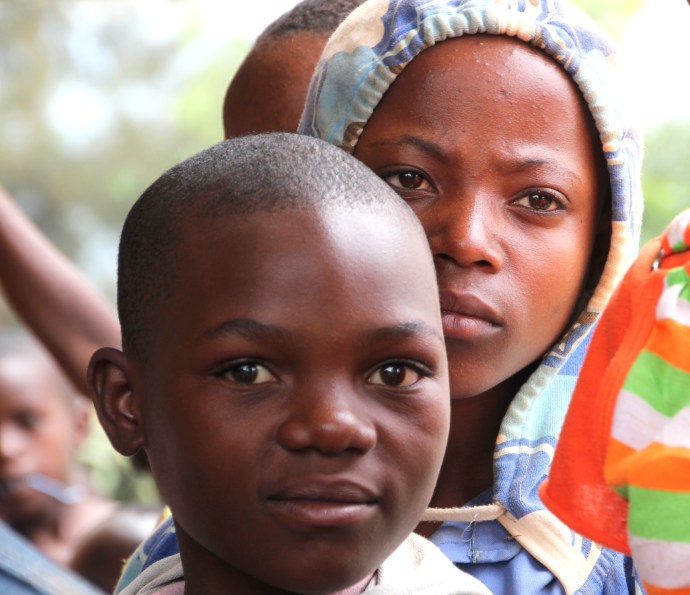
The real beneficiaries of Kirehe’s big project.

Makes me feel like hollering Oyee! Amata Iwau Kuruhimbi, which means something like Let us always have milk in our homes!

Yes indeedy.

Categories: Africa, Animals, Heifer International, Inspiration, Photography, Poverty, Travel | Tags: , , , , , , , , , , , , , , , , , , | 27 Comments

“Stop making me cry.”

One of my best friends just wrote me that imploring comment about my recent posts on Rwanda. So I figured it was time to break out the upbeat posts for a while, and let you know you can (temporarily)  retire your hankies and wallow in my Pollyanna side.

Actually, there’s a lot to love and celebrate about Rwanda. First and foremost, the people. Almost everywhere you go, little children tear out of their homes, race to your car with arms furiously waving hello, and try out their best English: “Good morning, Muzungu!” (Muzungu means “white person” and as a pasty suburban American, I can tell you it’s pretty intoxicating to finally be considered exotic).

Traveling with my 21-year old daughter Lulu was a total bonus – not only because I got to enjoy her company (and she actually seemed to want to be with me), but because seeing the country through her eyes gave me a totally different perspective. For instance, she was really struck both by how hard the people work (Africans as a whole are industrious beyond belief…

…and how deeply inter-connected the people seem to be (which makes the 1994 genocide even more difficult to understand).

In Rwanda, nobody walks alone. When people are at the water pump filling their 20-liter containers with water for the long walk home, they are laughing, talking and visiting.

When men are hauling 50 kilos of bananas on their bikes, they’ve usually got a friend or two along helping. Rwandans live so closely together (there’s tremendous density of population) and they have such big families (the average number of kids per family is six), there are always packs of kids playing and working together, older sisters tote younger kids on their backs, and families are rarely apart. Lulu loved that! (although it’s also her worst nightmare)Divorce is practically unheard of, everybody walks everywhere, and people spend the vast majority of their time outside in the year-round temperate climate. In rural areas, there are precious few cell phones or electronics and the countryside is spic-and-span. Plastic bags are banned, roadside trash in nonexistent (thanks to a mandatory country-wide cleanup the first Saturday of each month) and women vigorously sweep their dirt front yards every morning and evening.I have to say that I believe President Kagame has done a remarkable job of leading the country, preventing another war, bringing home the educated diaspora to lead the recovery after the genocide, purging the government of corruption, and trying to help the poor find a way out of poverty with a livestock program (modeled after Heifer’s!!) called “A Cow for Every Poor Family.”

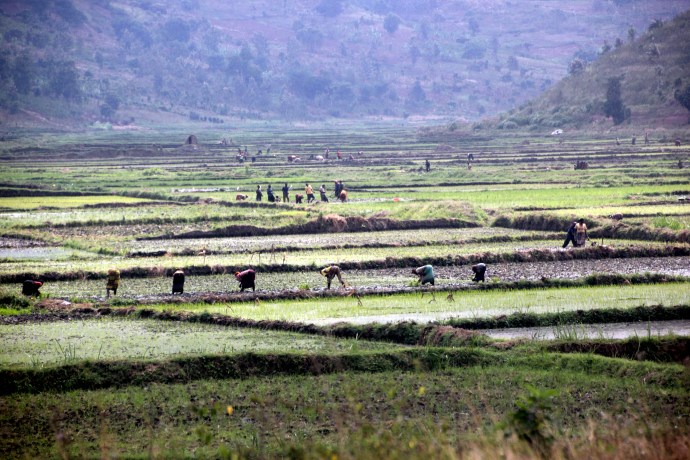
Rwandans working their plots in a rice field project created by the government.

I know there is a lot of controversy over Kagame’s authoritarian control, and I’m no expert on African politics, but from what I saw there were a lot of progressive things happening. And less political rancor and toxic discourse than… ummm, here.

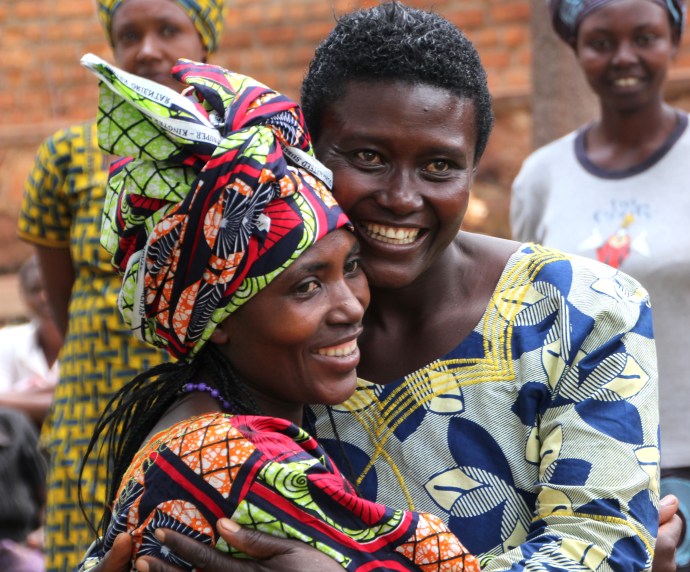
Hope was in the air and people seemed really grateful for the things they had….like each other.

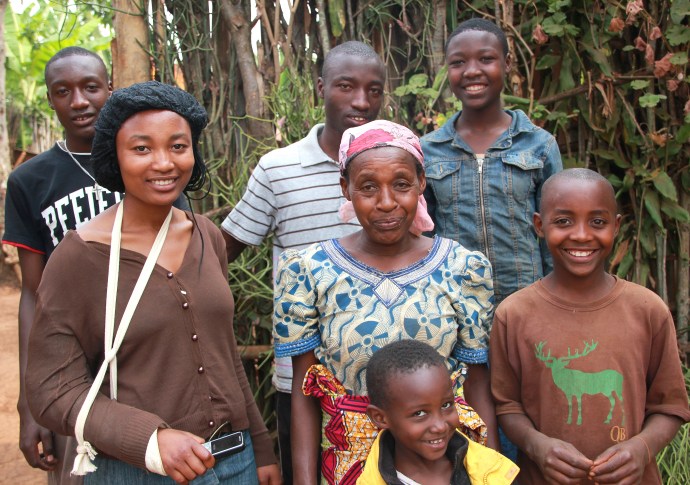
Veneranda Mukagakwandi with 4 of her 8 children (plus some cousins).

So there’s my post– and not a tear-jerking moment in sight!

Woman performing the umushagiriro, or cow dance.

Stay tuned for the next post about shiny, happy heifers (not pictured below).

(Sorry, Lulu, I know I promised not to do this…)

Categories: Africa, Children, Heifer International, Inspiration, Photography, Rwanda, Travel | Tags: , , , , , | 22 Comments

Goats … an anti-viral agent.

If you’re a woman in Rwanda, you’re almost twice as likely to be infected with HIV as a man. That seems hideously unfair, particularly after rape was used as a weapon during the genocide of 1994, resulting in a huge swell in the numbers of infected women. Still, even today it is a reality.

Cluadine Uwamaiya, mother of six and HIV+ in Kibungo.

So Heifer International has teamed up with my second most favorite organization, Partners in Health, to improve the health, nutrition and income of people living with HIV/AIDS in the Eastern Province, who make up 2.5% of the population there.

Partners in Health, which grew out of Dr. Paul Farmer’s pioneering community health work in Haiti in the 1980s, is the first responder. Since 2005, PIH has been providing crucial medicine and health care to HIV patients, as well as food packages for 10 months, in order to strengthen and stabilize these weak, poor and malnourished folks and get them on the road to recovery. But after that immediate intervention, patients still needed a way to provide themselves and their families with sustainable income and food security. And that’s where goats (and Heifer) come in.

Goats are quick to reproduce (they can be bred in the first year), their milk is highly nutritious (reportedly it really helps bolster one’s white blood cells that fight off infection) and with easily available forage (old banana peels, kitchen waste and some grasses) goats will produce a lot of poop to fertilize vegetable gardens that the people are encouraged and trained to plant. So Heifer has given away hundreds of South African dairy goats to people like Charlotte, who has used that gift to transform her life.

Charlotte found out she was HIV+ in 2003, after she had four heartbreaking miscarriages in a row and went in for a test. But her husband, from whom she got the infection, argued that she was not infected and so she got thinner and sicker until 2005, when she visited PIH (or Inshuti Mu Buzima as it’s known in Kinyarwanda) and was put on life-saving medications. In 2009,  Charlotte received a goat from Heifer, passed on its first female offspring to another family, and now has two more female offspring that provide her with so much milk, she has plenty to sell.

Nobody in Rwanda would ever drink goat milk before .. but they love it now!

With her goat milk income, Charlotte bought a pig that is now pregnant, and she can sell those piglets for about $120/each (if healthy and fat, a pig can have two litters a year of about 8-12 piglets each). Charlotte also bought a heifer and is eager to raise more goats, sell more milk, plant more vegetables and bananas, and buy more land. In a big kitchen garden that surrounds her house, she also grows carrots, beets, and maize that she sells, but she’s really famous for her excellent bananas (thanks to copious amounts of manure).  

Her 13-year old son is tall and handsome, and she’ll have the money to send him to the best secondary school –although in Rwanda it’s considered quite a tragedy to have just one child (a fact my only-child Lulu found ironic). When she talked about her four missing children, Charlotte looked bereft, but she quickly said, “I don’t think about being sick, I think about the future. It’s only when I talk about being sick that I get sad.”

Leaving Kibungo…

As we pulled away from her house, I was thinking of how Charlotte had stood up in front of the whole town meeting and told her story, and the courage that must have taken. Then I thought of the song the people were singing at the meeting (it only rhymes in Kinyarwanda, folks): “People say if you have HIV/AIDS you are going to die, but we are not prepared to die… We are going to live!”

Categories: Africa, Animals, Heifer International, Photography, Rwanda, Travel | Tags: , , , , , , , , , , , | 29 Comments

Blog at WordPress.com.