Travel

Getting girly wit’ it.

Never judge a person until you’ve walked in her shoes.

We interrupt the compelling, sensitive & fascinating tale of Betty in Armenia to bring you this breaking story:

Betty is going to Beverly Hills!

Specifically, to Heifer’s amazing celeb-filled fundraiser this Friday called Beyond Hunger to honor Mary Steenburgen and Ted Danson, both longtime donors to and advocates for the poor and hungry. What a great cause!! But let’s be honest…this is also star-gazing at its FINEST!

My fave!!

The evening will be hosted by Diane Lane, as well as Nina Jacobson, producer of “The Hunger Games”; Jane Fonda, Sheryl Crow, Bonnie Raitt and Tracey Ullman, with a live auction and live entertainment by Colbie Caillat. Other stars on the dinner committee include Ed Asner, Ashley Judd, Kirsten Dunst, Mia Farrow, Adrian Grenier, Patricia Heaton and David Hunt. Allison Janney, Anna Lappe, Amy Madigan and Ed Harris, Susan Sarandon and Keisha and Forest Whitaker are also part of the committee.

WOW… so of course you’re thinking: What is Betty going to wear? Those cargo pants and orange sweater that I’ve seen in every single country she’s been to?

Yep, that’s the outfit.

New improved BettyOh, ye of little faith! I actually have been on a three-day sprucing up campaign (yeah, it was like chopping thru a forest) and now have pretty nails and toes, genuine evening bags, awesome shoes, and seriously-considered outfits to wear for EVERY one of my occasions – as I am also going out to California for the fabulous CLASSY Awards, where I am the South Region Finalist for Volunteer of the Year for this blog– whoeeeeee!

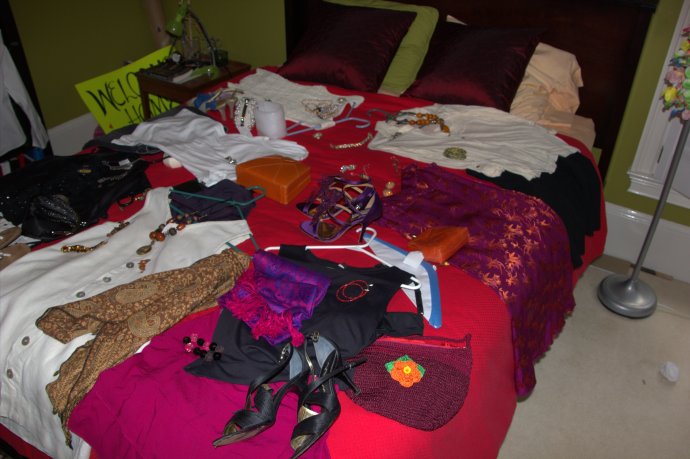
Here’s the pile of fabulous clothes I will wear…(and no, I don’t pack like this for my Heifer trips)…And here are the list of the events on tap. Can you match them up?? (ha!!)
  1. Friday 9 am: CLASSY Symposium at the New Children’s Museum, San Diego
  2. Friday 6:30 pm: Heifer’s Beyond Hunger Event at the Montage Hotel, Beverly Hills
  3. Saturday 5 pm: CLASSY Awards Red Carpet & Finalists Announcement, San Diego Civic Theater
  4. Sunday – Los Angeles for an Oglethorpe University Alumni Event and possibly crashing the Emmy Awards

I am SO SO excited!! I promise to tweet and post photos from the above events …but most of all, THANK YOU for voting for me for the Classy Awards and being my ever-supportive, super awesome bloggy friends!!!

(And afterwards, I promise I will get back to the serious, wonderful story of Armenia!)
Categories: Heifer International, Photography, Travel | Tags: , , , , , , , , , , , , , , , , , , , , , , , , , | 54 Comments

Barev, Armenia!

A beautiful land with a harsh history.

When I told people I was going to Armenia with Heifer, the most frequent response was, “Wow, um.. where is that?”

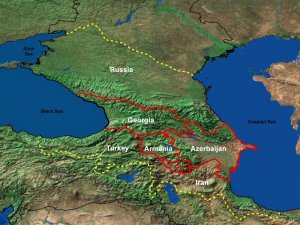
So – first the geography lesson: Armenia is just east of Turkey and bordered by Georgia to the North, Azerbaijan on the East and Iran to the South. Which basically means Armenia is a raft of Christianity in a sea of Muslim countries (Armenia was the first nation in the world to adopt Christianity as its state religion in 301 AD). And that has pretty much defined and shaped its turbulent history through the ages.

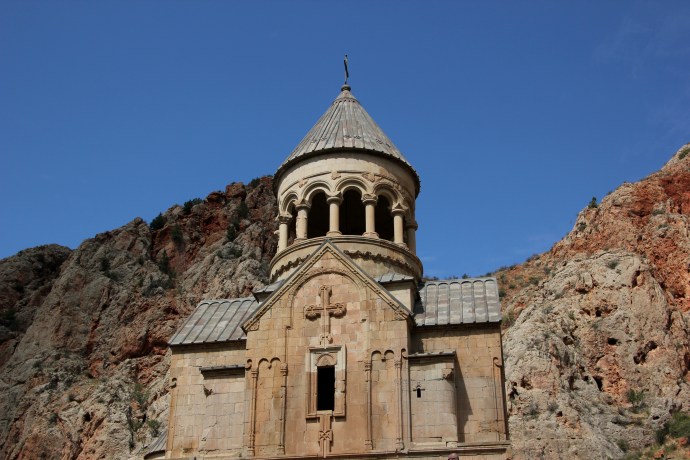
Armenia is a mystical place – filled with monasteries, pagan temples, prayer stones and churches, most tucked away in wildly remote places to protect them from destruction. (It didn’t.)

Noravank Monastery, in a gorgeous bedrock canyon that reminded me of Utah.

These Christian monuments are the pride of Armenia, as well as testament to a seemingly endless parade of invaders: conquering Persians, rampaging Mongols, invading Turks, totalitarian Soviets, as well as the ravages of devastating earthquakes. For over 600 years, Armenians knew themselves to be a distinct people, and yet were not a sovereign country. Faced with hostility from all sides, Armenians held fast to their identity and managed to survive into the modern era with a faith as deep and constant as the obsidian stone that is part of this beautiful landscape.

Even Armenia’s beloved Mt. Ararat, where Noah’s Ark supposedly landed, is now part of Turkey.

Although the Kardashians are undoubtedly the world’s most famous Armenians, they are not typical of the Armenian character (sorry, Kanye) – although I did see an awful lot of beautiful women in the modern capital of Yerevan. Actually, it’s a bit hard to get a firm grasp on the Armenian character because it’s full of such deep contradictions.

Armenians are enormously proud, highly educated (with a literacy rate of almost 100%), and hospitable beyond your wildest expectations. In centuries of life along the Silk Route, Armenians became known for their business savvy in commerce and trade, and they interacted easily with almost every European and Asian culture. But Armenia’s psyche is indelibly haunted by the memory of great loss (1.5 million annihilated in 1915 alone) and like all the Caucasus’s states, the people have experienced centuries of brutal conflict that staggers the imagination and continues today.

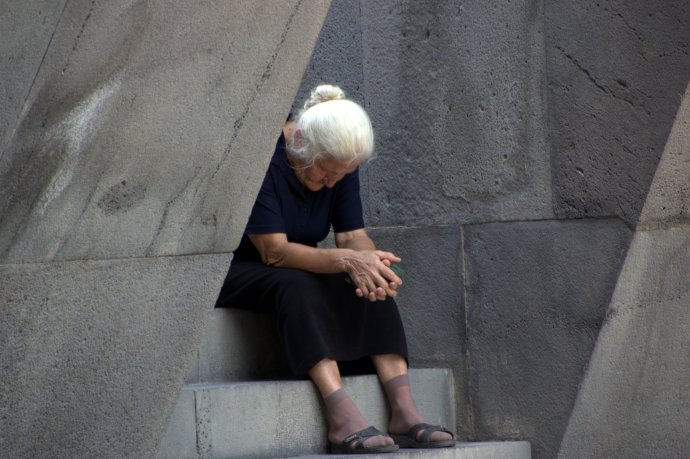
Woman deep in sorrow at the Genocide Memorial in Yerevan, Armenia’s capital.

Armenian people are tough; they’ve had to be to. But they are also joyful, sweet people who love to garden, to eat, to talk and to welcome visitors — particularly if you’re one of the 8 million Diaspora Armenians who’s coming back home.

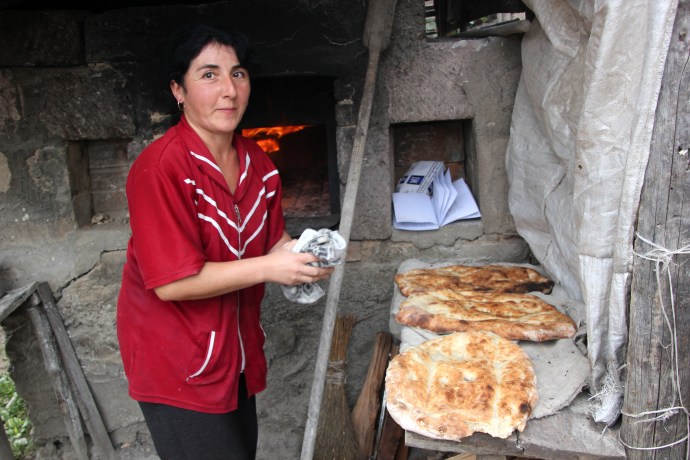
An Armenian rule: If you walk by when someone’s baking bread, you have to eat some. (Oh, twist my arm!)

Armenia was a part of the Soviet Socialist Republics for more than 70 years, and has only been independent for 21 years. Like Romania, Armenia’s economy was far more robust and productive under Soviet rule, and the country is still struggling to establish a modern economy with almost no natural resources (and with its two borders with Turkey & Azerbaijan closed). While the capital of Yerevan is bustling, elegant and thriving,  in the countryside there is little besides subsistence farming to support the villagers, and the poverty rate approaches 35%. Many men have immigrated to take jobs in neighboring countries; in fact, three times as many Armenians now live outside the country as inhabit it.

But Armenia is hardly depressing. For one thing, the country is beautiful. The food is incredible ( a big fat blog on that later), and the people are totally endearing.

Even their blooming Christian cross never features a Christ, because Armenians believe in the rising.. not the suffering.

And that’s as good a prescription for moving forward as anything I can imagine!

Categories: Armenia, Heifer International, Photography, Travel | Tags: , , , , , , , , , , , , , , , , | 32 Comments

Lulu’s View.

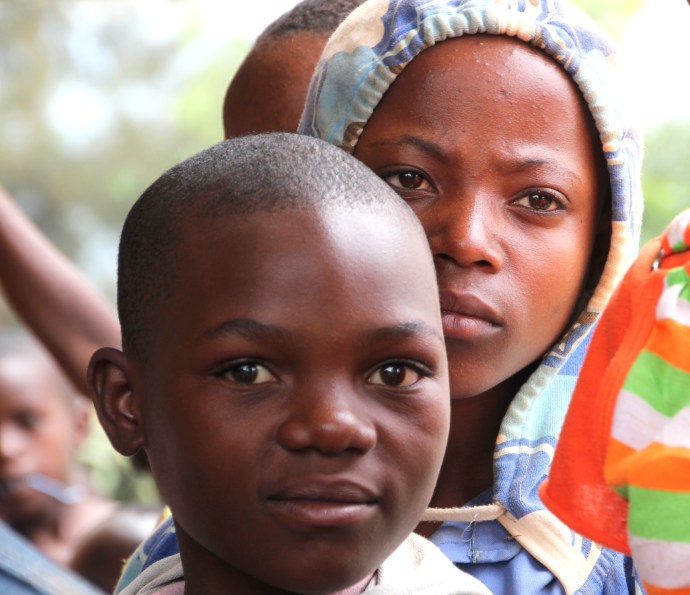
I’m taking the photo, but they’re all looking at Lulu.

My daughter Lulu is a lulu. She’s 21, smart, sweet, street-savvy, beautiful, funny and kind. And I’m not taking credit for that. She came that way.

See what I mean?

I was totally jazzed about taking Lulu to Rwanda with me, because I wanted her to experience some of what I’ve been seeing and learning all year long on this amazing journey with Heifer.

But I was a little worried that it would be too emotionally intense or just too physically exhausting. (And of course, we hadn’t been getting along all that well for most of the summer.)

Turns out, I had nothing to worry about. Lulu was a complete trooper — she never complained about having to get up at 7 a.m. and be out in the countryside til 7 p.m., never seemed bored for a minute, and was polite and sweet with everyone (even me!).

I was so proud of her, and so happy she could share this experience with me.

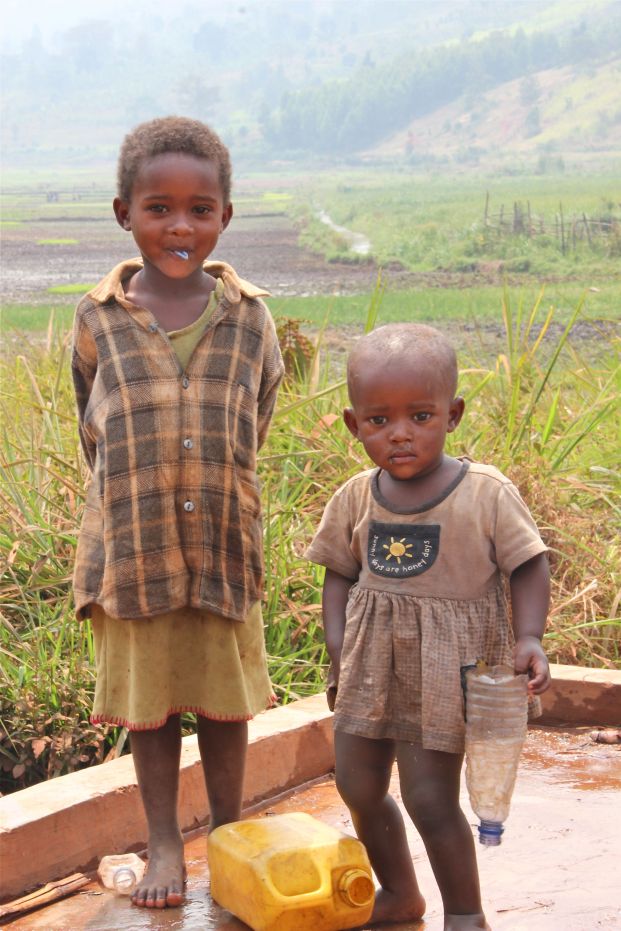
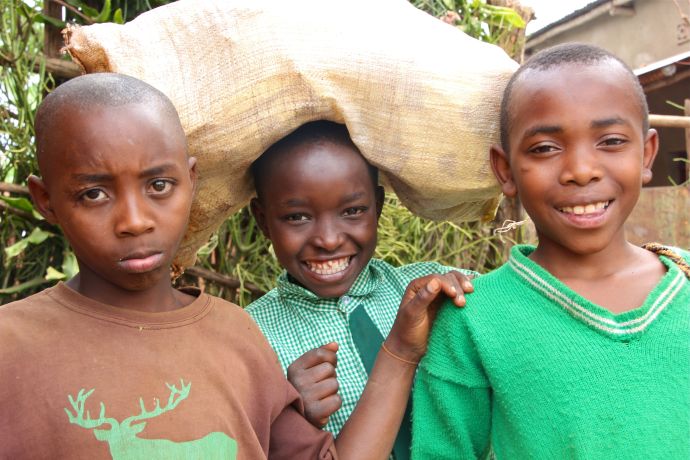
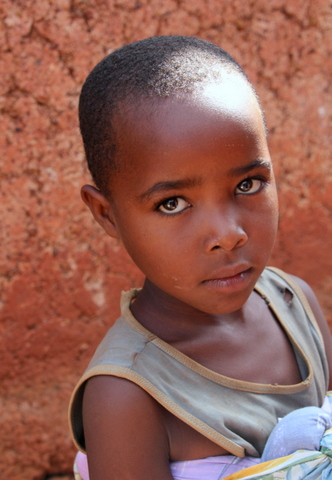
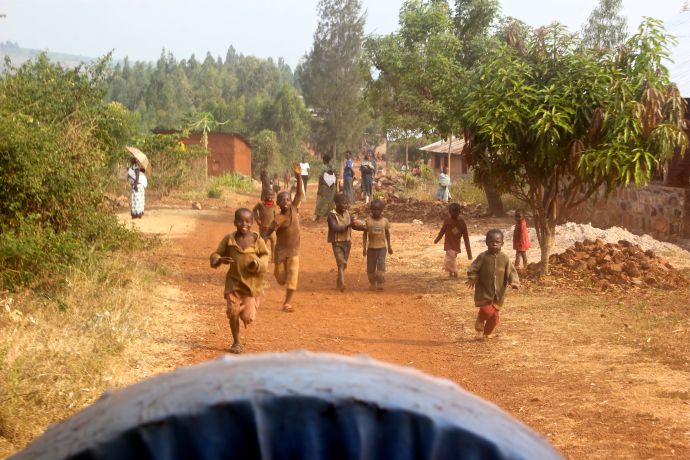
These are her favorite photographs from Rwanda.

And here’s an English proverb she loves:

“The soul is healed by being with children.”

Hope we’ll be back soon!And now…. I’m off to Armenia!

Categories: Children, Heifer International, Inspiration, Mothers, Photography, Rwanda, Travel | Tags: , , , , | 33 Comments

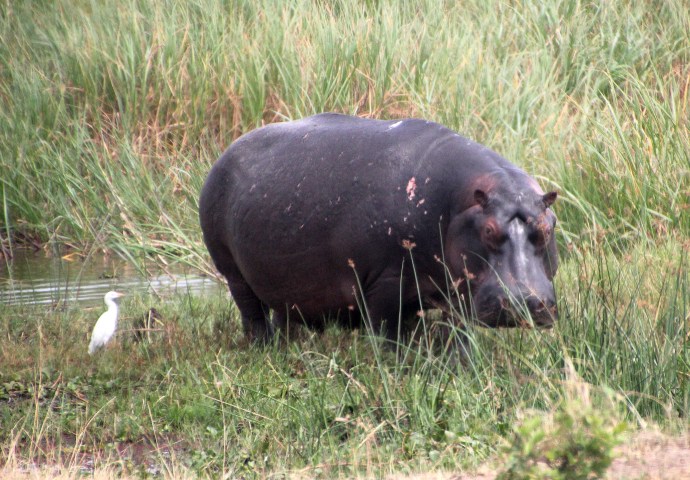
Wild Rwanda!


On most of my Heifer trips, I’m pretty much all work and no play, which I suppose makes Betty a dull girl…except somehow it never, ever feels dull to me.

This trip to Rwanda was Lulu’s 21st birthday present trip, though, so after 5 solid days of project tours, home visits with Heifer beneficiaries, Passing on the Gift ceremonies, and five-hours-a-day bouncing around in trucks, I felt like she’d earned a little R&R.

So we headed to Akagera National Park in Eastern Rwanda, one of the least populated (at least by humans) places in this densely populated country.

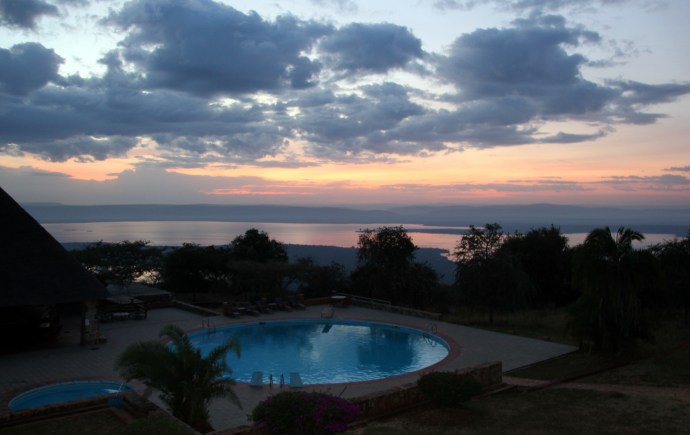
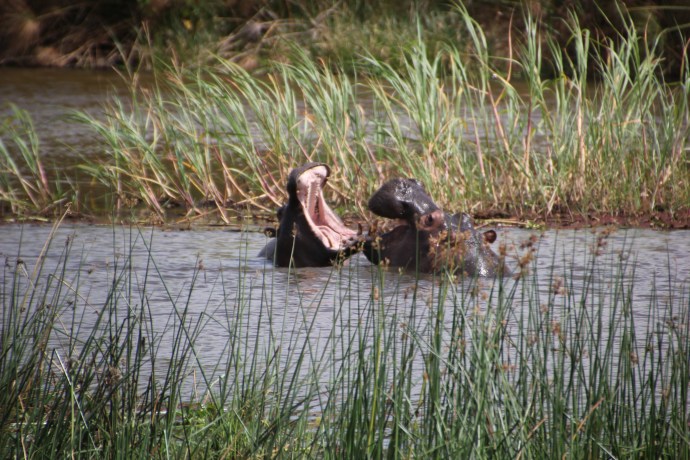
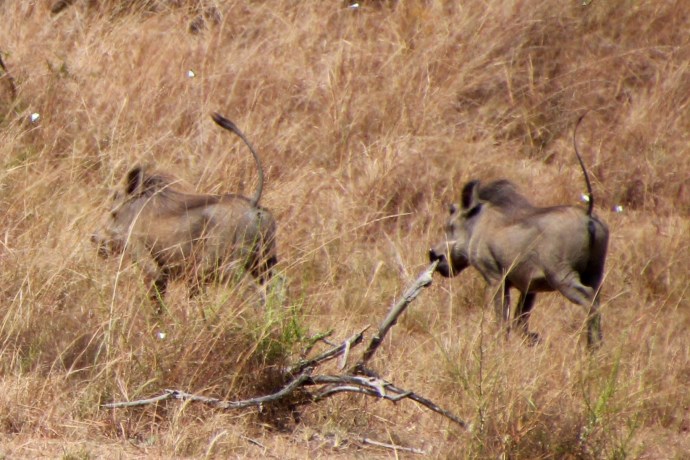
We stayed in the odd but beautifully situated Akagera Game Lodge (“It looks like a horror movie should be filmed here,” Lulu sagely noted of the half-reconstructed hotel with a wing full of forlorn, windowless rooms but a glorious pool with stunning views of Lake Ihema.)And of course, the animals we saw were amazing – we drove right up to hippos, giraffes, baboons, antelope, zebra, and countless exotic birds — and pretty much had the park to ourselves.

The only thing we didn’t see was Akagera’s herd of 100+ elephants. But it was somehow comforting to think that amount of body mass could disappear into the wild… especially in Rwanda, where there is so little wild left.

After all the beautiful Heifer animals we’d seen, you might have thought we’d be over the awe.Not even close.

The bigger, the wilder, the better! We love Africa!

Categories: Africa, Animals, Heifer International, Photography, Rwanda, Travel | Tags: , , , , , , , , , , , , , | 30 Comments

A woman named Constance.

18 ½ years ago, Constance Bangire was working as a primary school teacher in the town of Masoro, east of Kigali, teaching second grade. She and her husband, who worked as an executive in a nearby mining company, had two young daughters and a baby son at home and two sons, aged 14 and 16, in secondary school. And then the genocide happened.

In those 100 days of horror, Constance’s husband and two sons were murdered. Her house was burned to the ground. And she and 24 genocide survivors took refuge in the school where she’d taught children to do their letters and color happy pictures.

The orphans’ records in the boulangerie.

I’m not sure what I would have done under those circumstances (my mind won’t even go there), but I’m fairly certain I wouldn’t have done what Constance did. Once the school reopened, she and 7 other women survivors decided to share their teaching salaries with other widows and orphans of the genocide, who literally had nothing to sustain themselves or their families—no homes, no livestock, no food.

Orphans waiting for bread outside the boulangerie in Masoro.

Each woman contributed $30/month to that fund and Constance came up with the idea of getting local women to make tablecloths and dresses they could sell. Then she went to the Minister of the Family and asked for goats and sheep to replace the slaughtered livestock, and she started writing proposals to international donor organizations, hoping they might support her efforts.

Genocide survivor, sewing since 1996…

In 1995, the Swiss-Italian NGO Insieme Per La Pace stepped in to help and L’Association Dushyigikirane was born. In its first 4 years, Constance focused on helping genocide survivors, but then she said she started feeling bad about only helping people from her tribe. “I received some trainings, I went to my Catholic church, I prayed a lot, and I learned to forgive.”

Orphan girls waiting for bread.

“Everyone was having problems, not just the survivors. All the animals had been killed, our bananas were taken, our land and crops were gone, and our husbands were either dead or in prison.”

“Before the genocide, Hutus and Tutsis were always together. But afterwards, people feared each other and were scared to be together. So I just brought them in the same room to work.”

Today, Constance’s organization employs almost 100 people (mostly women) and has built most of the town’s center.

The pretty new community center of Masoro.

There’s a thriving village bank that provides microfinance loans at 2% interest; new meeting hall; a boulangerie that distributes 2 loaves of bread twice a week to 961 orphans and pays their school fees with sales of its delicious corn cakes; a dress-making operation; local handicrafts cooperative; retail store; tilapia fish pond; fabric shop; sugar cane café; apiculture co-op; classes in literacy, finance, and adult education; a home-building project for 67 homeless people; basic provisions supplied to 82 old people – and of course, a Heifer project.

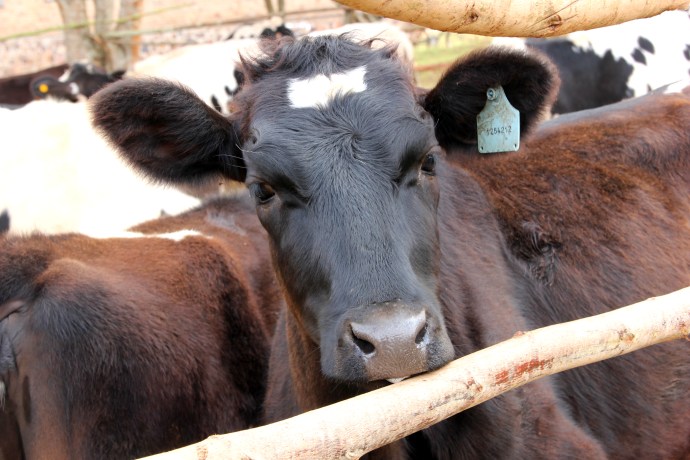
Once Constance heard in 2004 that Heifer might give her neighbors cows, she was on it. Because her local organization was so strong, L’Association Dushyigikirane received 32 cows over the past few years, and will be getting 36 additional pregnant heifers before the end of the year.

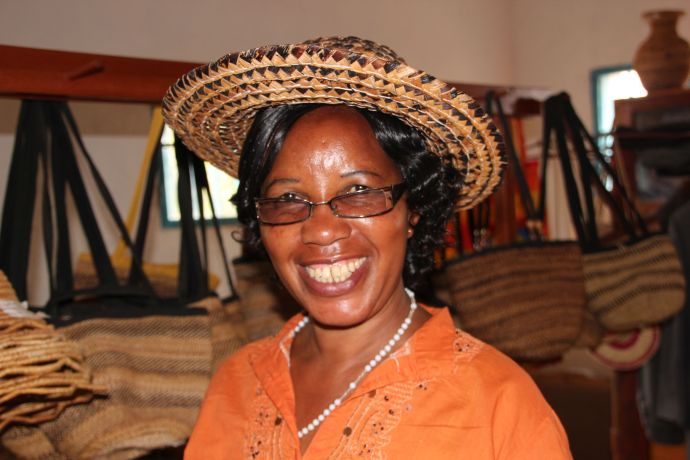
Agnes Akayezu has been working with Constance’s handicrafts organization for 10 years.

A Heifer-paid vet works with the village, as does an animal health care worker, to keep the animals healthy and producing milk. Constance is a big fan of Heifer but thinks her village should be getting a lot more animals. I’d be the last one to disagree.

Gabrielle Mjyonjyoh, one of Constance’s first village bank customers, with her savings passbook.

“I’m the Mother to everyone in Masoro,” Constance says matter-of-factly. “I try to see those who are in need and do something about it.”

Categories: Heifer International, Inspiration, Photography, Rwanda, Travel, Women | Tags: , , , , , , , , , , , , , , | 27 Comments

Blog at WordPress.com.